- General Videos
- Nnwom
- Sikas?m
- Akwahosan
- Travel & Events
- Abak?s?m
- Adwene mu Nhwehw?mu
- Honhom fam nne?ma
- Fim
- News & Politics
- Kmtyw Combat Sciences
- Ɔbenfo Ọbádélé Kambon Video ahorow
- ?benfo? Kamau Kambon: Black Liberation Philosophy
- Science, Tech, Engineering and Math
- Permaculture
- Self-Sustainability
- Living Off Grid
- Yoruba Language Learning
- Nhomasua
- Mmɔfra Adesua
- Nana Kamau Kambon Playlist
- Livestream
- Komplementarity Kouples and Revolutionary Singles
- Abibitumi Film Series
- Decade of Our Repatriation
- Live
Abak?s?m
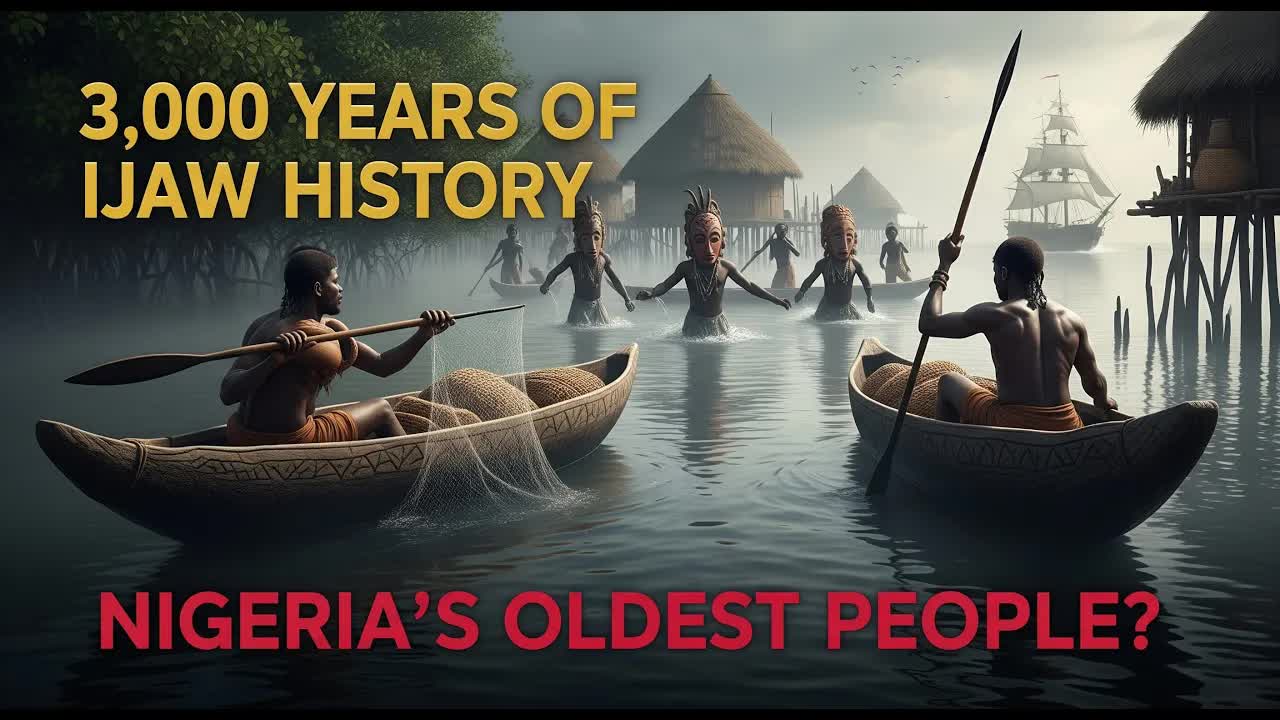

3,000 YEARS OF IZON HISTORY Nigeria’s First People of the Niger DeltaIn this video, we travel from the earliest days of the Izon people with archaeological finds, oral traditions, and ancient city-states like Agadagba-bou and Isoma-bou — to their meeting with Europeans, rise as trading powers, and bold resistance against colonial rule.If you are Izon or from the Niger Delta, please watch through to the end and share your voice: Did we get it right? Do you have stories or corrections we should include?🔔 Subscribe and turn on notifications — new history episodes every Saturday.▶ Part 2 will explore colonial rule, Isaac Boro’s revolt, modern struggles, and how the Izon fight for justice today.📚 Sources and Further Readinghttps://en.wikipedia.org/wiki/....Ijaw_peoplehttps://e #nigerdelta #nigeriahistory

The Origin of the Izon people: From Kemet to the Niger Delta
Join this channel to get access to perks:
https://www.youtube.com/channe....l/UC1KJ0mdXuuI3gJdms
Help fuel the journey with your support on Patreon! https://www.patreon.com/kamjiverse
Donate via CashApp: Contributions are always appreciated. https://cash.app/$Kamjiverse
Follow on X: https://x.com/Kamjiverse
Intro Song 'Kamji Chronicles': https://open.spotify.com/track..../6BrDmcjxnTgfpSqdP3y


Get Nebula using my link for 40% off an annual subscription: https://go.nebula.tv/religionforbreakfast
Watch City Beautiful’s video on Cairo on Nebula!: https://nebula.tv/videos/cityb....eautiful-cairos-hist
Join our Patreon community!: https://www.patreon.com/religionforbreakfast
One-time donations here!: https://www.paypal.me/religionforbreakfast
Check out my favorite religious studies books by following this affiliate link to my Amazon page: https://www.amazon.com/shop/religionforbreakfast
Akhenaten was an Egyptian Pharaoh back in the 1300s BCE who upended the religious landscape of ancient Egypt. Within years of ascending the throne, he turned away from traditional Egyptian polytheism to the worship of a single god: The Aten. Was this an early form of monotheism?
Select footage and images courtesy of Getty

Learn to read the Hebrew Bible in its original language. Live twelve-week class with Dr. Kipp Davis. Join here: https://www.religiondepartment.com/bookofjonah
Was the God of Israel married? Inscriptions from the Sinai pair Yahweh with "his Asherah," a Canaanite mother goddess worshipped across the ancient Near East.
Special thanks to Dr. Lauren McCormick. Check out her incredible web exhibit on the Judean Pillar Figurines here: https://laurmcco.github.io/jud....eanpillarfigurineexh
Follow her blogging at https://www.biblicalarchaeolog....y.org/author/lmccorm
00:00 Intro
1:26 Athirat/Asherah in the Ugaritic Literature
5:20 Asherah in the Hebrew Bible
9:00 Sacred Trees, asherahs, and iconography
14:10 Judean Pillar Figurines: Asherah or Not?
18:53 Kuntillet Ajrud Inscription
25:29 Was Asherah the wife of God?
27:32 Erasure of Asherah in later translations
29:59 Sign up for Biblical Hebrew!

"2AM in Venezuela" (OFFICIAL VIDEO): https://youtu.be/GtvkwgbVKF8
BLACK WINTER (Full Album): https://youtube.com/playlist?list=PLJSMFuicKjJ46p1K9TlqZPRGFSd0M5z9U&si=4WG_YXCGJinM6XEN
Join the Patreon for exclusive videos that you won't find on Youtube: https://www.patreon.com/NTD1814
S U P P O R T
Cash App - $NelsonAmadeus
PayPal- GlobalHitsWorld@gmail.com
EMAIL - KingNeferkare@gmail.com
Twitter @NTDessalines
Instagram @NelsonAmadeus
TURN ON POST NOTIFICATIONS.
"2AM in Venezuela" (OFFICIAL VIDEO): https://youtu.be/GtvkwgbVKF8
BLACK WINTER (Full Album): https://youtube.com/playlist?list=PLJSMFuicKjJ46p1K9TlqZPRGFSd0M5z9U&si=4WG_YXCGJinM6XEN
Join the Patreon for exclusive videos that you won't find on Youtube: https://www.patreon.com/NTD1814
S U P P O R T
Cash App - $NelsonAmadeus
PayPal- GlobalHitsWorld@gmail.com
EMAIL - KingNeferkare@gmail.com
Twitter @NTDessalines
Instagram @NelsonAmadeus
TURN ON POST NOTIFICATIONS.
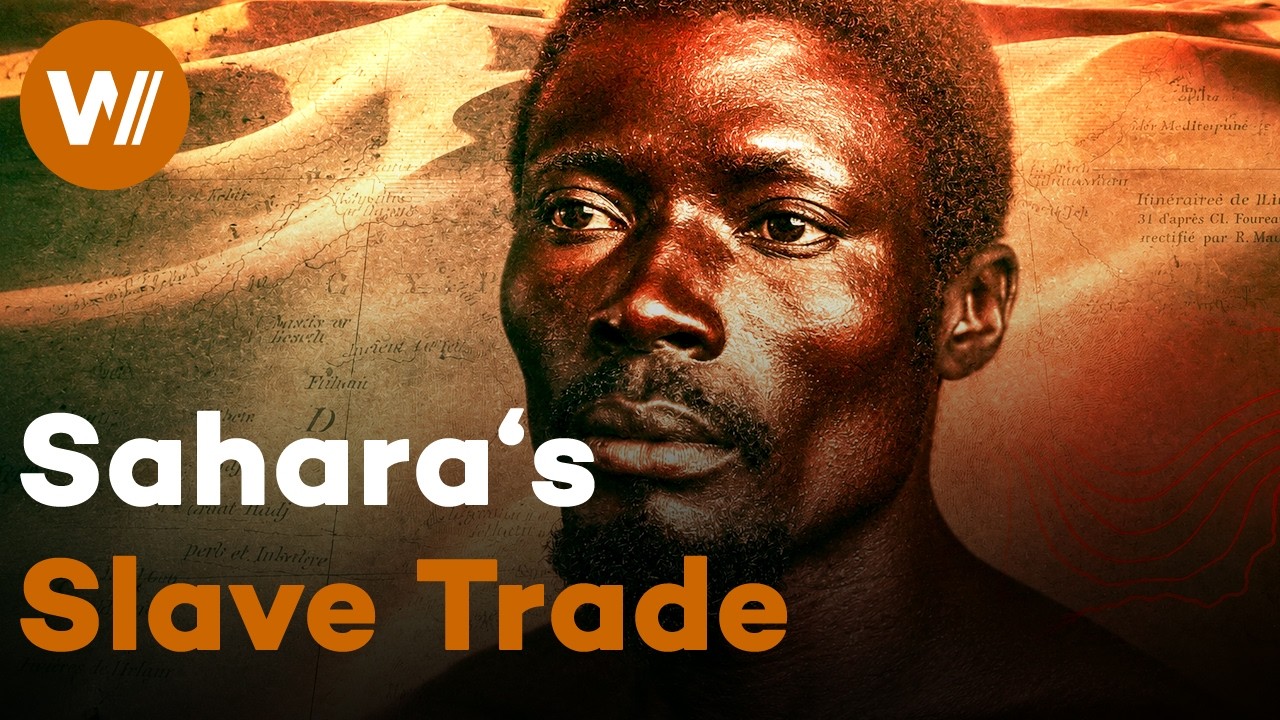
The history of slavery did not begin in the cotton fields. Long before the transatlantic slave trade, Africa stood at the center of vast networks of human trafficking that connected the Sahara, the Middle East, the Mediterranean, and beyond.
Episode 1: Beyond the Desert explores the origins and expansion of the trans-Saharan slave trade, from the fall of Rome in 476 AD to the rise of powerful African and Islamic empires. As Arab rule expanded from the banks of the Indus to the southern edge of the Sahara, new routes of conquest, commerce, and enslavement reshaped entire societies.
At the heart of this world stood two major trading centers: Cairo, the great commercial hub between Africa and the Middle East, and Timbuktu, a strategic gateway for the trans-Saharan caravans and the empires of West Africa.
Through archives, historical analysis, and powerful storytelling, this first episode of Slavery Routes reveals how millions of sub-Saharan Africans were captured, sold, displaced, and turned into the “human raw material” of one of the longest systems of enslavement in history.
-------
Chapters
▷ 00:00 - Introduction: Africa and the Origins of a Global Slave Trade
▷ 01:50 - Slavery in Antiquity and the Fall of the Roman Empire
▷ 03:35 - Why Africa Became a Center of the Slave Trade
▷ 05:30 - The Arab Empire, Nubia, and the Politics of Enslavement
▷ 08:17 - African Slaves in Islamic Dynasties: War, Labor, and Power
▷ 11:00 - Slave Routes Across the Mediterranean, Caucasus, Balkans, and Russia
▷ 12:40 - The Zanj Rebellion: One of History’s Largest Slave Uprisings
▷ 16:00 - Cairo: Capital of the Arab Empire and Hub of the Slave Trade
▷ 19:49 - The Expansion of Slavery in North Africa and the Middle East
▷ 23:40 - Conversion, Islam, and the Religious Paradox of Enslavement
▷ 25:45 - Camels and the Expansion of Trans-Saharan Trade Routes
▷ 28:10 - Timbuktu: A Strategic Trading Center in West Africa
▷ 31:53 - Gold, Slaves, and the Prosperity of the Mali Empire
▷ 33:05 - Islam and the Commercial Power of the Mali Empire
▷ 34:00 - Race, Otherness, and the Justification of Slavery
▷ 36:55 - Social Hierarchy and Class Systems in Medieval Mali
▷ 39:00 - Hereditary Slavery and the Racialization of the Trans-Saharan Trade
▷ 41:07 - The Memory of Slavery in Africa and Contemporary Racism
▷ 43:00 - Mansa Musa’s Pilgrimage and the Power of the Mali Empire
▷ 46:30 - North Africa and the Global Trade Routes of the Middle Ages
▷ 50:00 - Epilogue: The Lasting Impact of the Trans-Saharan Slave Trade
▷ 51:20 - Credits
#slaveryroutes #historydocumentary #africanhistory #slaveryhistory #transsaharanslavetrade #maliempire #timbuktu #mansamusa #worldhistory #fulldocumentary #historydocumentary #WocomoHISTORY
-------
Subscribe to the channel: https://goo.gl/4bVtZk
Follow us on Facebook: https://www.facebook.com/wocomo/
-------
Original title: Slavery Routes: 476–1375 — Beyond the Desert
Directed by: Daniel Cattier, Juan Gélas, Fanny Glissant
Produced by: Compagnie des Phares et Balises, ARTE France
In co-production with: Kwassa Films, RTBF Télévision Belge, Lx Filmes, RTP, INRAP
© 2018, licensed by Incognita Distribution
-------
Documentaries about politics, society and science produced by leading studios around the world. Our goal is to be a reliable source of high-quality information and investigative journalism for a better understanding of relationships, backgrounds and future developments.
Check out our other channels to watch high quality documentaries:
▷ wocomoHUMANITY: https://www.youtube.com/wocomoHUMANITY
▷ wocomoWILDLIFE: https://www.youtube.com/wocomoWILDLIFE
▷ wocomoHISTORY: https://www.youtube.com/wocomoHISTORY
▷ wocomoTRAVEL: https://www.youtube.com/wocomoTRAVEL
▷ wocomoCOOK: https://www.youtube.com/wocomoCOOK
Wocomo DOCS is part of the Wocomo channel network by NIKITA VENTURES. Wocomo - wonderful content in motion.
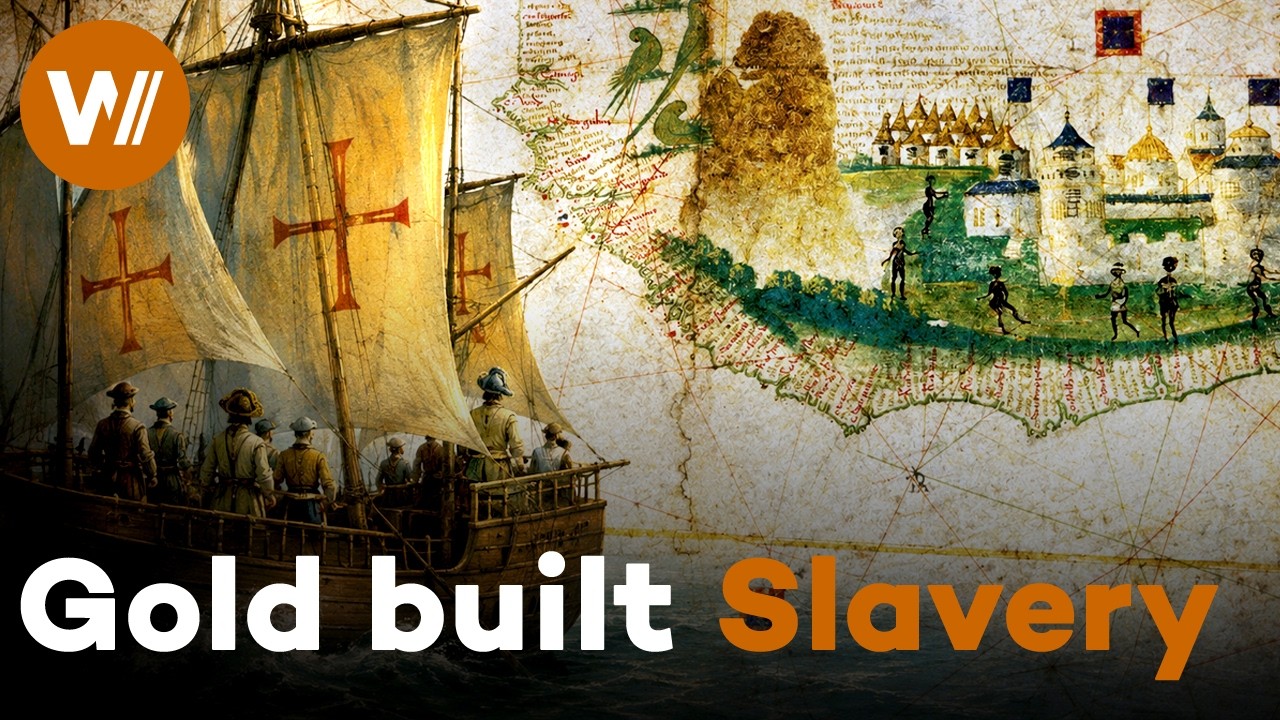
The history of slavery did not begin in the cotton fields. Long before the transatlantic slave trade reached its full scale, Africa was already at the center of expanding networks of conquest, commerce, and slavery.
Episode 2: For All the Gold in the World begins at the end of the Middle Ages, when Europe started looking beyond its borders and realized that one of the world’s greatest sources of wealth lay in Africa.
Driven by the search for gold, the Portuguese were the first Europeans to sail along the African coast. Under the impulse of Henry the Navigator, they opened new maritime routes, established trading posts, and soon transformed their quest for African gold into a vast traffic in human beings.
From Lisbon to the Kingdom of Kongo, from Elmina to São Tomé, and eventually to Brazil, the Portuguese created the foundations of a new Atlantic system. Off the coast of Gabon, the island of São Tomé became a brutal laboratory for one of the most profitable exploitation models in history: the sugar plantation.
Through archives, historical analysis, and powerful storytelling, this second episode of Slavery Routes reveals how the pursuit of gold gave birth to a new slave economy — one that would reshape Africa, Europe, and the Americas for centuries.
-------
Chapters
▷ 00:00 - Introduction: How Slavery Helped Build Powerful Empires
▷ 01:50 - Portugal, Henry the Navigator, and the Search for African Gold
▷ 05:35 - One Million Africans Deported by European Slave Traders
▷ 09:00 - Africans in Lisbon: Segregation, Forced Labor, and “Impure” Professions
▷ 11:52 - 1453: The Fall of Eastern Trade Routes and Europe’s Atlantic Ambition
▷ 15:10 - European Kingdoms Invest in the Atlantic Expansion
▷ 17:15 - The Portuguese in the Kingdom of Kongo: Trade, Diplomacy, and Slavery
▷ 21:40 - The First Triangular Trade: São Tomé, Kongo, and Elmina
▷ 23:40 - São Tomé: Mass Deportation and the Birth of the Sugar Plantation
▷ 27:35 - The Gold Rush and Portuguese Expansion Toward Brazil
▷ 28:10 - 1516: The First African Slaves Arrive on the Brazilian Coast
▷ 31:44 - The Forgotten Memory of Black Slaves and Black Citizens in Lisbon
▷ 35:54 - Luanda and the Kingdom of Kongo: Epicenter of the Slave Trade to the Americas
▷ 38:00 - Angola and the Descendants of Survivors of the Slave Trade
▷ 40:00 - São Tomé: Fugitive Slaves, Mocambos, and Resistance
▷ 42:34 - Mixed-Race Elites and the Hierarchical Society of São Tomé
▷ 44:30 - Greed, Power, and the Decline of the Kingdom of Kongo
▷ 48:10 - Epilogue: Slave Revolts and the Fall of the São Tomé Experiment
▷ 51:20 - Credits
#slaveryroutes #historydocumentary #africanhistory #slaveryhistory #atlanticslavetrade #portugueseempire #kingdomofkongo #saotome #brazilhistory #fulldocumentary #historydocumentary #WocomoHISTORY
-------
Subscribe to the channel: https://goo.gl/4bVtZk
Follow us on Facebook: https://www.facebook.com/wocomo/
-------
Original title: Slavery Routes: 1375-1620: For All the Gold of the World
Directed by: Daniel Cattier, Juan Gélas, Fanny Glissant
Produced by: Compagnie des Phares et Balises, ARTE France
In co-production with: Kwassa Films, RTBF Télévision Belge, Lx Filmes, RTP, INRAP
© 2018, licensed by Incognita Distribution
-------
Documentaries about politics, society and science produced by leading studios around the world. Our goal is to be a reliable source of high-quality information and investigative journalism for a better understanding of relationships, backgrounds and future developments.
Check out our other channels to watch high quality documentaries:
▷ wocomoHUMANITY: https://www.youtube.com/wocomoHUMANITY
▷ wocomoWILDLIFE: https://www.youtube.com/wocomoWILDLIFE
▷ wocomoHISTORY: https://www.youtube.com/wocomoHISTORY
▷ wocomoTRAVEL: https://www.youtube.com/wocomoTRAVEL
▷ wocomoCOOK: https://www.youtube.com/wocomoCOOK
Wocomo DOCS is part of the Wocomo channel network by NIKITA VENTURES. Wocomo - wonderful content in motion.

The history of slavery did not begin in the cotton fields. By the 17th century, the Atlantic had become the center of a brutal new economy - one built on sugar, conquest, finance, and the mass deportation of millions of Africans.
Episode 3: From Sugar to Rebellion explores how European powers turned the Caribbean into a battlefield for sugar. France, England, Spain and the Netherlands fought for control of the islands, where sugar plantations became one of the most profitable - and violent - systems of exploitation in history.
To feed this economy, new slave routes were opened between Africa and the Americas. Banks, insurers, merchants and royal powers helped industrialize the trade, pushing deportations to unprecedented levels. Nearly 7 million Africans were caught in a vast Atlantic system of forced labor, racial violence, and colonial profit.
From the ports of Nantes, Liverpool and Amsterdam to the forts of the Gold Coast, from Caribbean plantations to the rise of slave rebellions and abolitionist voices, this third episode of Slavery Routes reveals how sugar transformed the Atlantic world - and how enslaved people resisted the system built to destroy them.
-------
Chapters
▷ 00:00 - Introduction: Sugar, Slavery, and the Rise of an Atlantic Empire
▷ 01:44 - The Caribbean at the Center of the Slave Routes
▷ 03:35 - The Sugar War: Europe’s Race for Colonial Profit
▷ 05:49 - Caribbean Plantations and the Conquest of Fertile Land
▷ 08:15 - Life and Death on the Sugar Plantations
▷ 10:08 - Banks, Insurance, and the Industrialization of the Slave Trade
▷ 14:20 - Europe’s Slave Ports: Nantes, Liverpool, Amsterdam and Beyond
▷ 16:00 - Louis XIV, Royal Power, and the Expansion of the Slave Trade
▷ 21:25 - The Gold Coast: A Major Source of Captives
▷ 23:40 - Antera Duke and the African Brokers of the Slave Trade
▷ 27:15 - The Middle Passage: Terror, Violence, and Survival at Sea
▷ 29:50 - Race, Dehumanization, and the Atlantic Slave System
▷ 33:05 - Plantation Violence and the Machinery of Exploitation
▷ 35:29 - The Black Codes: Slavery Written Into Law
▷ 37:29 - Slave Resistance, Maroons, and Caribbean Rebellions
▷ 41:44 - Olaudah Equiano and the Rise of Abolitionism in Europe
▷ 50:00 - Epilogue: Slavery, Wealth, and the Atlantic World
▷ 52:03 - Credits
#slaveryroutes #historydocumentary #atlanticslavetrade #caribbeanhistory #sugarplantations #slaveryhistory #africanhistory #blackhistory #worldhistory #WocomoHISTORY
-------
Subscribe to the channel: https://goo.gl/4bVtZk
Follow us on Facebook: https://www.facebook.com/wocomo/
-------
Original title: Slavery Routes: 1620-1789: From sugar to rebellion
Directed by: Daniel Cattier, Juan Gélas, Fanny Glissant
Produced by: Compagnie des Phares et Balises, ARTE France
In co-production with: Kwassa Films, RTBF Télévision Belge, Lx Filmes, RTP, INRAP
© 2018, licensed by Incognita Distribution
-------
Documentaries about politics, society and science produced by leading studios around the world. Our goal is to be a reliable source of high-quality information and investigative journalism for a better understanding of relationships, backgrounds and future developments.
Check out our other channels to watch high quality documentaries:
▷ wocomoHUMANITY: https://www.youtube.com/wocomoHUMANITY
▷ wocomoWILDLIFE: https://www.youtube.com/wocomoWILDLIFE
▷ wocomoHISTORY: https://www.youtube.com/wocomoHISTORY
▷ wocomoTRAVEL: https://www.youtube.com/wocomoTRAVEL
▷ wocomoCOOK: https://www.youtube.com/wocomoCOOK
Wocomo DOCS is part of the Wocomo channel network by NIKITA VENTURES. Wocomo - wonderful content in motion.