- General Videos
- Music
- Economics
- Health
- Travel & Events
- History
- Psychology
- Spirituality
- Movies
- News & Politics
- Kmtyw Combat Sciences
- Ɔbenfo Ọbádélé Kambon Videos
- Ɔbenfoɔ Kamau Kambon: Black Liberation Philosophy
- Science, Tech, Engineering and Math
- Permaculture
- Self-Sustainability
- Living Off Grid
- Yoruba Language Learning
- Education
- Mmɔfra Adesua
- Nana Kamau Kambon Playlist
- Livestream
- Komplementarity Kouples and Revolutionary Singles
- Abibitumi Film Series
- Decade of Our Repatriation
- Live
History
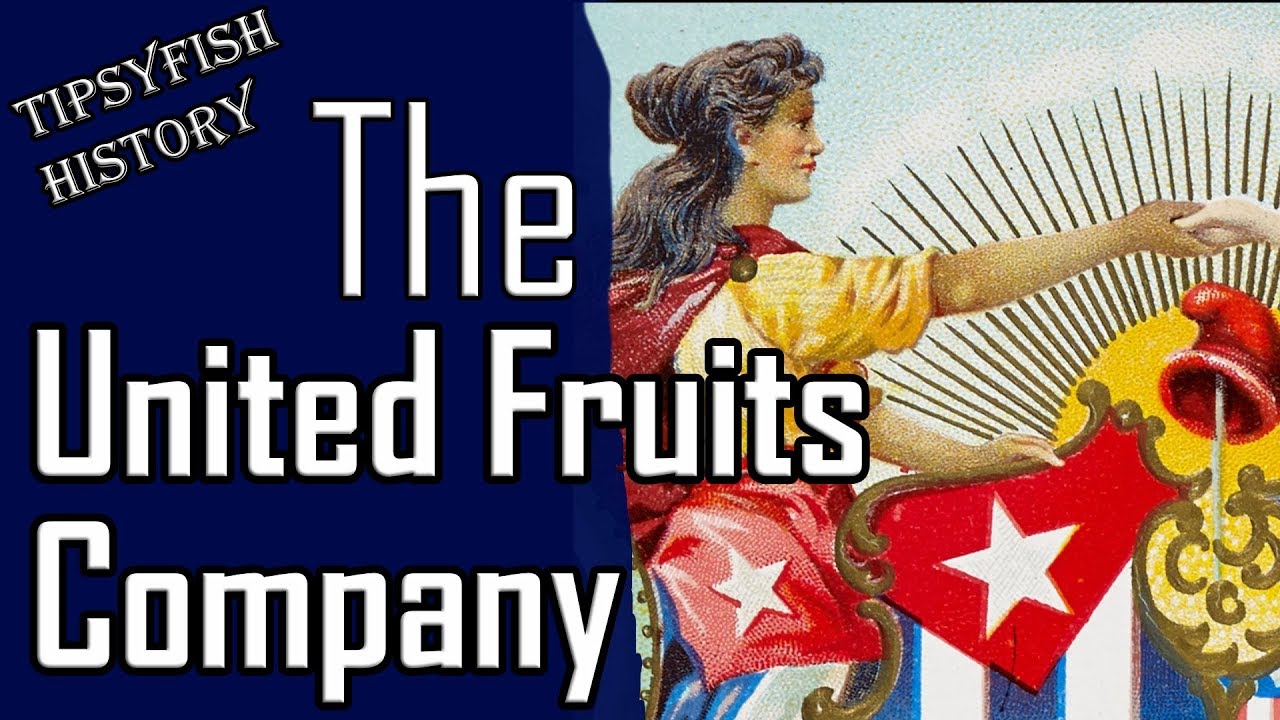

The United Fruits Company was and is a major corporation that holds a massive amount of history and influence in regards to Central America. This company, paved the way for massive American control over the economics, political, and geopolitical landscape of many of these nations. In today's video, we will be looking into the early history of this company.
______________________
Support The Channel:
Second Channel ► https://www.youtube.com/channe....l/UCRnm8Cyp7FM6ahtVj
♥Patreon ► https://www.patreon.com/Tipsyfishs
♥PayPal ► https://www.paypal.com/paypalme/TipsyF
Facebook ►: https://www.facebook.com/TipsyHistory
Have a topic you want to suggest? Say so in the comments below. Subscribe if you enjoyed the video as well, would be super appreciated
In 1871, U.S entrepreneur Henry Meiggs signed a contract with the government of Costa Rica to build a railroad connecting the capital city of San José to the port of Limón. Meiggs was assisted in the project by his nephew Minor C. Keith, who took over Meiggs's business in Costa Rica after his death in 1877. Keith began experimenting with the planting of bananas as a cheap source of food for his workers.
When the Costa Rican government defaulted on its payments in 1882, Keith had to borrow 1.2 million pounds to continue the engineering project. In exchange for this and for renegotiating Costa Rica's own debt, the administration of President Próspero Oreamuno agreed to give Keith 800,000 acres of land along the railroad, plus a 99-year lease on the train route. The railroad was completed in 1890, but the flow of passengers proved insufficient to offset the debt. On the other hand, the sale of bananas grown in his lands and transported first by train to Limón, then by ship to the United States, proved very lucrative. Keith eventually came to dominate the banana trade in Central America and along the Caribbean coast of Colombia.
In 1899, Keith lost $1.5 million when a New York City broker, went bankrupt. He traveled to Boston, to participate in the merger of his trading company, Tropical Trading and Transport Company, with the rival Boston Fruit Company. Boston Fruit had been established by Lorenzo Dow Baker, a sailor who, in 1870, had bought his first bananas in Jamaica, and with buisnessman Andrew Preston. The merger formed the United Fruit Company, based in Boston, with Preston as president and Keith as vice-president. Preston's lawyer Bradley Palmer, became a permanent member of the executive committee and for long periods of time acted as the director. Together, these men had a massive influence over the market. Preston brought his plantations from the West Indies, a fleet of steamships, and his market in the U.S. Northeast. Keith brought his plantations and railroads in Central America and his market in the U.S. South and Southeast. The company at Palmer's direction proceeded to buy, or buy a share in, 14 different competitors, assuring them 80% of the banana import business in the United States, then their main source of income. The company catapulted into financial success following this. Bradley Palmer overnight became a much-sought-after expert in business law, as well as a very wealthy man. He later became a consultant to presidents and an adviser to Congress.
Sources:
"The Second Century: U.S.--Latin American Relations Since 1889": Mark T. Gilderhusrt
" The Banana Wars: United States Intervention in the Caribbean, 1898–1934.": Lester Langly
"The Banana Wars: A History of United States Military Intervention in Latin America from the Spanish–American War to the Invasion of Panama": Ivan Musicant


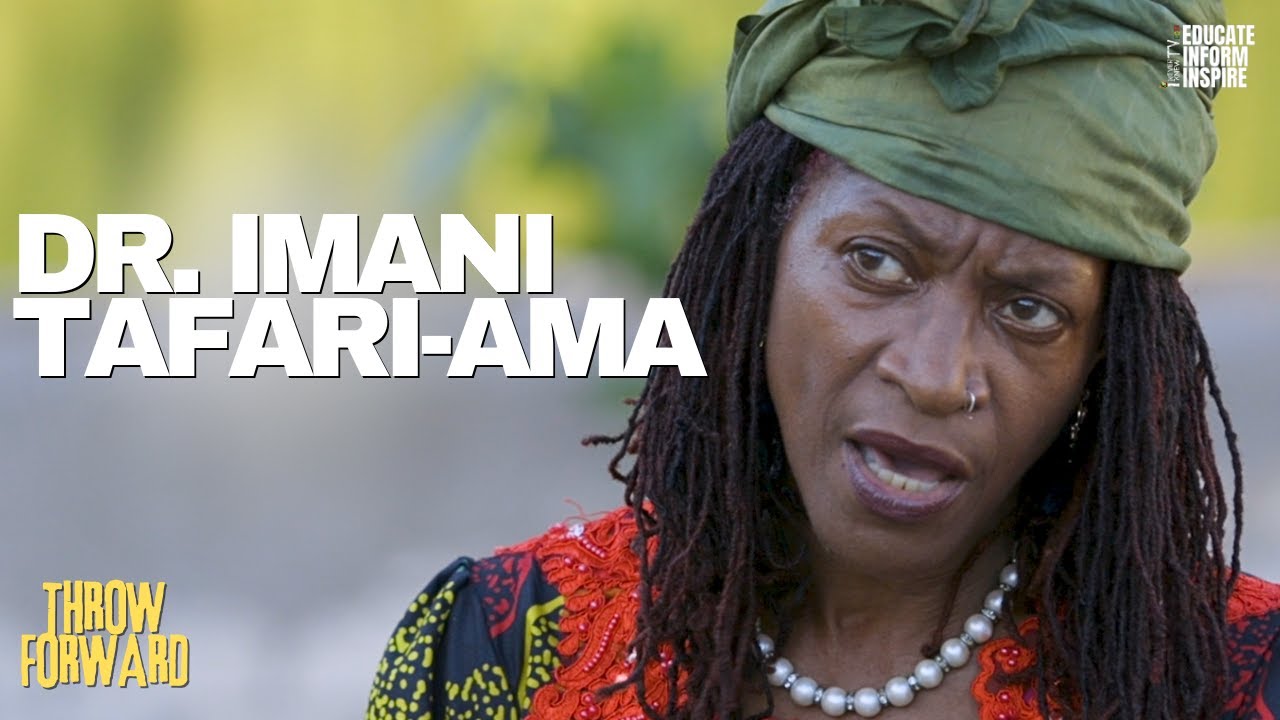

➡️ Become A 'I Never Knew Tv' Youtube Member:https://www.youtube.com/channe....l/UCwZ2vurIl_X8rv0Dv 'Throw Forward' clip from thought leader, author, and lecturer Okuninibaa Imani Tafari-Ama .In this clip, Dr. Imani Tafari explains how the beating, rapes, sodomy, and murders our ancestors experienced while enslaved, still impacts us through epigenetic inheritance.Click link below to watch full reasoning from Okuninibaa Imani Tafari-Ama:https://youtu.be/ksNxfTnd_cY➡️ Tune into 'I NEVER KNEW 📻'🇲🇱Roots, Rock, Reggae Music🇲🇱Hosted By : Jr of 'I Never Knew Tv'https://www.WLOY.orgSunday 9 -11 AM ESTWednesday 8- 10 AM ESTThursday 10- Noon AM EST#slavery #ineverknewtv


Marcus Garvey is credited with coining the phrase “Black is beautiful.” During the 1920s the Pan Africanist leader adopted the term. Garvey encouraged Black women to embrace their natural hair and features. He said, “Don’t remove kinks from your hair. Remove them from your brain.” He believed that attempting to follow white Eurocentric standards of beauty denigrated the beauty of Black women. The concept of Black being beautiful waned and almost died after Garvey was deported and then with his death.
The Black is Beautiful movement was a powerful cultural and social movement that reemerged during the 1960s and 1970s. The term “Black is Beautiful,” usually evokes memories and/visions that might fill your head full of afros, blaxploitation films, Black empowerment, civil rights movements, and black fists held in the air. In 1962, a photographer, a group of models and a fashion show in Harlem would kick-start a cultural and political movement.
In late January 1962, a group of artists known as the African Jazz-Art Society & Studios staged a fashion show in Harlem that would change American culture forever.
#grandassamodels #naturally62 #blackisbeautiful
SOURCES:
* NEW YORK POST: How A Harlem Fashion Show Started the Black is Beautiful Movement
* MUSEUM OF NEW YORK CITY: Fashion and Consciousness
* BROOKLYN PUBLIC LIBRARY: The Fashion Show That Helped Launch a Movement
* BBC: The Birth of the Black Power Movement
* NATIONAL MUSEUM OF AFRICAN AMERICAN AND CULTURE: The Emergence of Black Culture and Identity in the 60s and 70s
* CBC: Why Decades Old Black is Beautiful Movement Resonates So Strongly Today