- General Videos
- Nnwom
- Sikas?m
- Akwahosan
- Travel & Events
- Abak?s?m
- Adwene mu Nhwehw?mu
- Honhom fam nne?ma
- Fim
- News & Politics
- Kmtyw Combat Sciences
- Ɔbenfo Ọbádélé Kambon Video ahorow
- ?benfo? Kamau Kambon: Black Liberation Philosophy
- Science, Tech, Engineering and Math
- Permaculture
- Self-Sustainability
- Living Off Grid
- Yoruba Language Learning
- Nhomasua
- Mmɔfra Adesua
- Nana Kamau Kambon Playlist
- Livestream
- Komplementarity Kouples and Revolutionary Singles
- Abibitumi Film Series
- Decade of Our Repatriation
- Live
Video a ɛwɔ soro
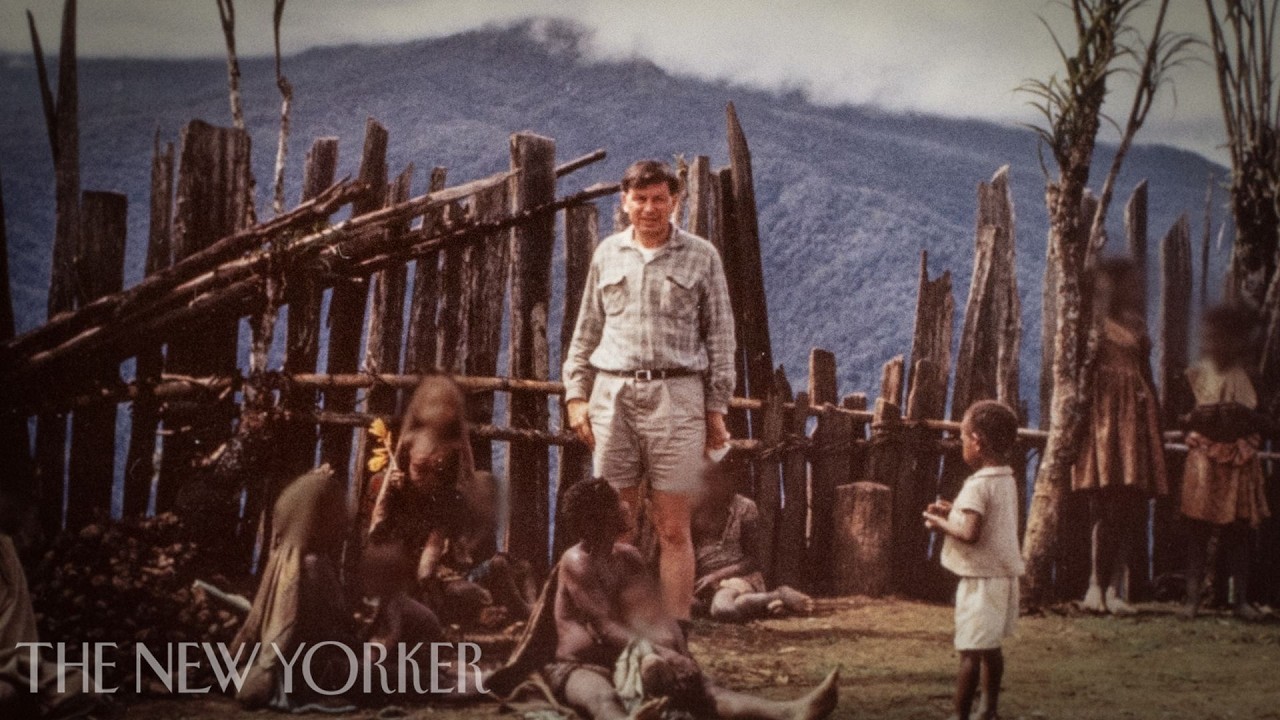

D. Carleton Gajdusek won the Nobel Prize for his research on kuru, a fatal brain disease in Papua New Guinea. Over three decades, he brought dozens of boys from the South Pacific to live with him in the United States—an arrangement he framed in philanthropic and anthropological terms.
Years later, Gajdusek pleaded guilty to child abuse. Rachel Aviv follows the complicated afterlives of the boys he brought home, whose stories have never before been fully reported.
Read “The Children a Scientist Took Home” by Rachel Aviv: https://www.newyorker.com/maga....zine/2026/08/24/the-

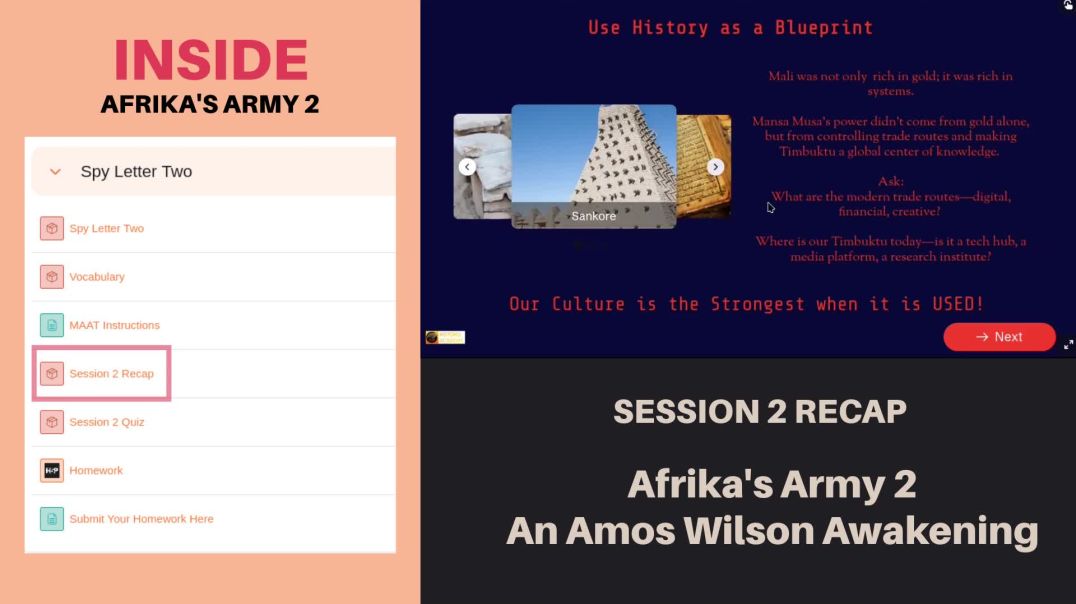
🔥 THE AWAKENING IS HERE. THE MOVEMENT IS NOW. 🔥
Introducing the exclusive demo of Afrika’s Army 2: An Amos Wilson Awakening—a revolutionary virtual universe where knowledge meets power, and collective rising begins. 🌍✊🏾
🔗https://kotokoacademy.com/
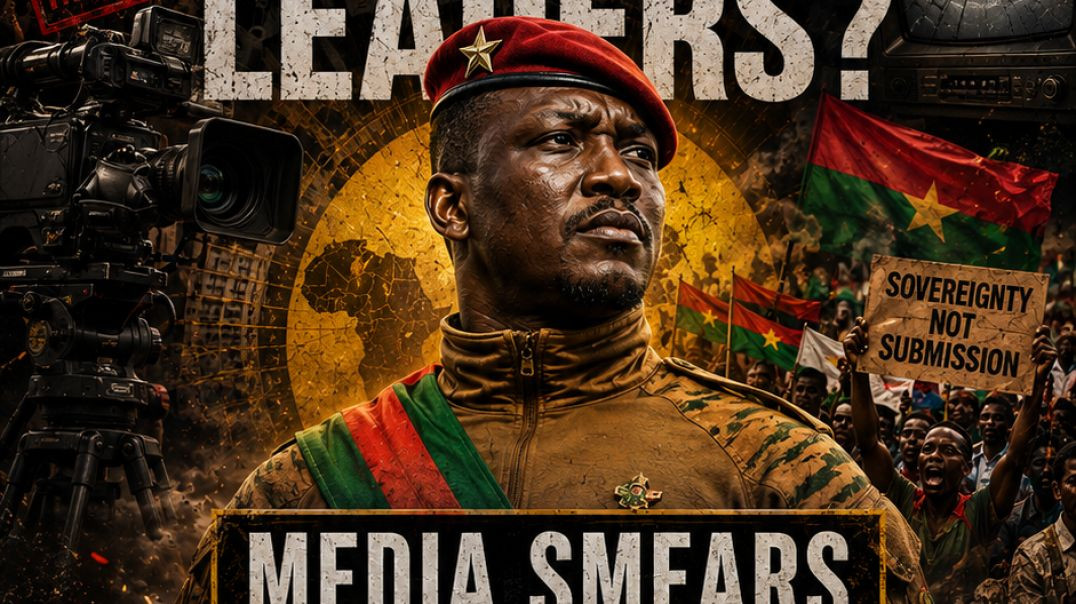

How do they destroy African leaders? First, they destroy the image. Burkina Faso, Traoré, and the media-smear playbook. Full episode: https://youtube.com/live/yX2Fvgz8Xn8 #panafricanism #africa #burkinafaso #shootthebreeze #bittermedicinepodcast


Often viewed as “spooky” or downright bizarre, quantum mechanics is fueling a powerful new era of amazing technology. In this program, today’s top quantum physicists discuss the information shake-up underway—and predict when we can expect a quantum computer of our own.
This program is part of the Big Ideas Series, made possible with support from the John Templeton Foundation.
Subscribe to our YouTube Channel for all the latest from WSF.
Visit our Website: http://www.worldsciencefestival.com/
Like us on Facebook: https://www.facebook.com/worldsciencefestival
Follow us on twitter: https://twitter.com/WorldSciFest
Original Program Date: May 31, 2015
Host: Bill Blakemore
PARTICIPANTS: Artur Ekert, Daniel Gottesman, Seth Lloyd, Eleanor Rieffel
Quantum Physics Is Everywhere: A Quantum Comedy. 00:00
Participant Introductions. 04:48
Quantum teleportation... Beam me up Scotty. 06:11
The record distance of teleportation. 11:33
What is post selection time travel? 15:45
How is our quantum data protected? 17:27
How would quantum codes be unbreakable? 20:28
Quantum computers how close are we? 25:09
Quantum tunneling is happening today. 31:30
The array of problems that quantum algorithms may solve. 36:24
Quantum computation and how it's different now. 40:08
What powers will quantum technology have ten years from now? 44:30
The amount of data we are collecting doubles every year. 47:15
Is it possible to have more than two particles entangled? 54:59
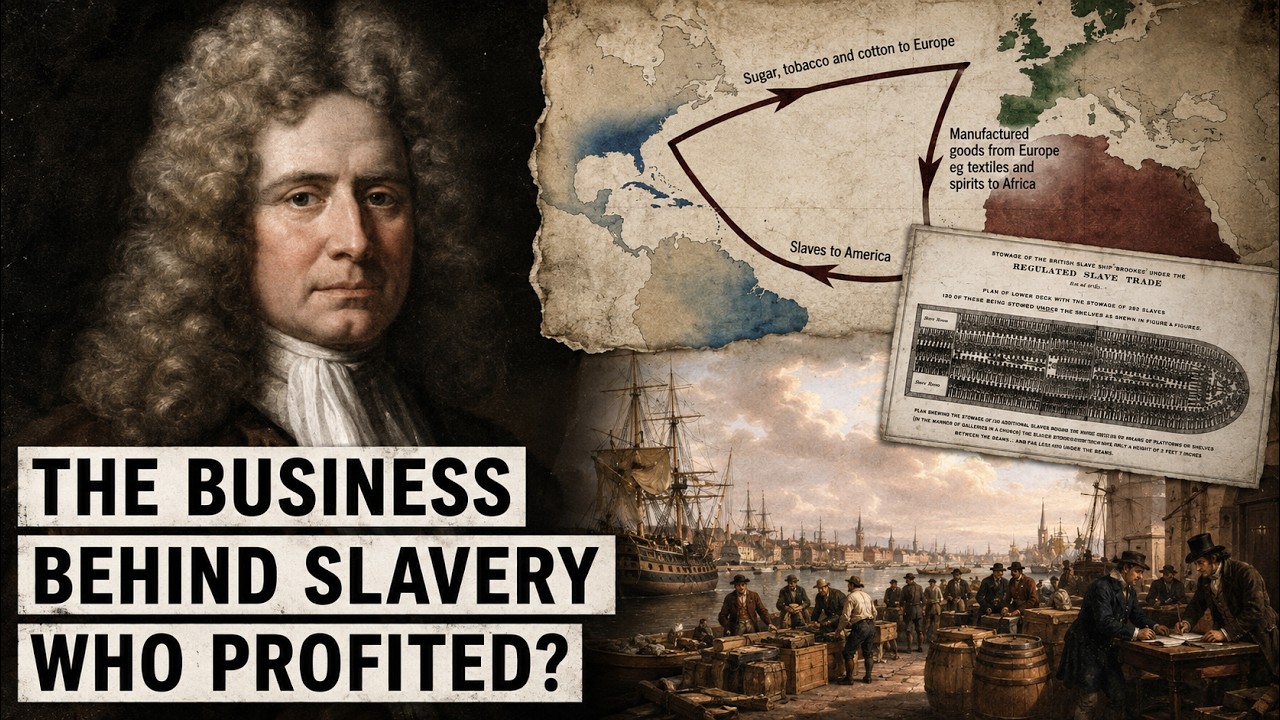
The Atlantic slave trade wasn't just a moral catastrophe — it was the most profitable business operation in human history. For over three centuries, a vast financial machine connected three continents, generating wealth that built cities, funded banks, bankrolled the Industrial Revolution, and created dynastic fortunes that are still compounding today.
In this video, we follow the money. From the Portuguese trading posts of the 1400s to the boardrooms of Lloyd's of London. From the sugar plantations of Jamaica, where enslaved workers had a life expectancy of seven years, to the grand townhouses of Liverpool, where merchant families lived in extraordinary luxury funded by human cargo. From the Royal African Company — a crown-backed corporation that branded enslaved people with its initials — to the Bank of England, whose early governors profited directly from the slave economy.
We examine the triangular trade not as a historical diagram, but as a fully integrated global financial system. We look at who invested, who insured, who extended credit, and who collected the dividends. We explore how slave trade profits became the seed capital for Britain's Industrial Revolution, how New England merchants ran closed-loop supply chains of rum, sugar, and enslaved people, and how the British government paid slave owners £20 million in compensation when slavery was abolished — a debt so large that British taxpayers were still paying it off in 2015.
This is the story of who really profited from the Atlantic slave trade, and why the financial architecture they built is still shaping the world today.
If you found this valuable, please like, subscribe, and share this video. It helps more than you know.
#atlanticslavetrade #slaveryandcapitalism #whoreallyprofited #triangulartrade #slavetradeeconomics #royalafricancompany #lloydsoflondon #britishempire #sugarplantations #industrialrevolution #ericwilliams #capitalismandslavery #liverpool #bristol #middlepassage #slavetradehistory #colonialwealth #economichistory #hiddenhistory #moneyandpower #macrofinance #globaleconomics

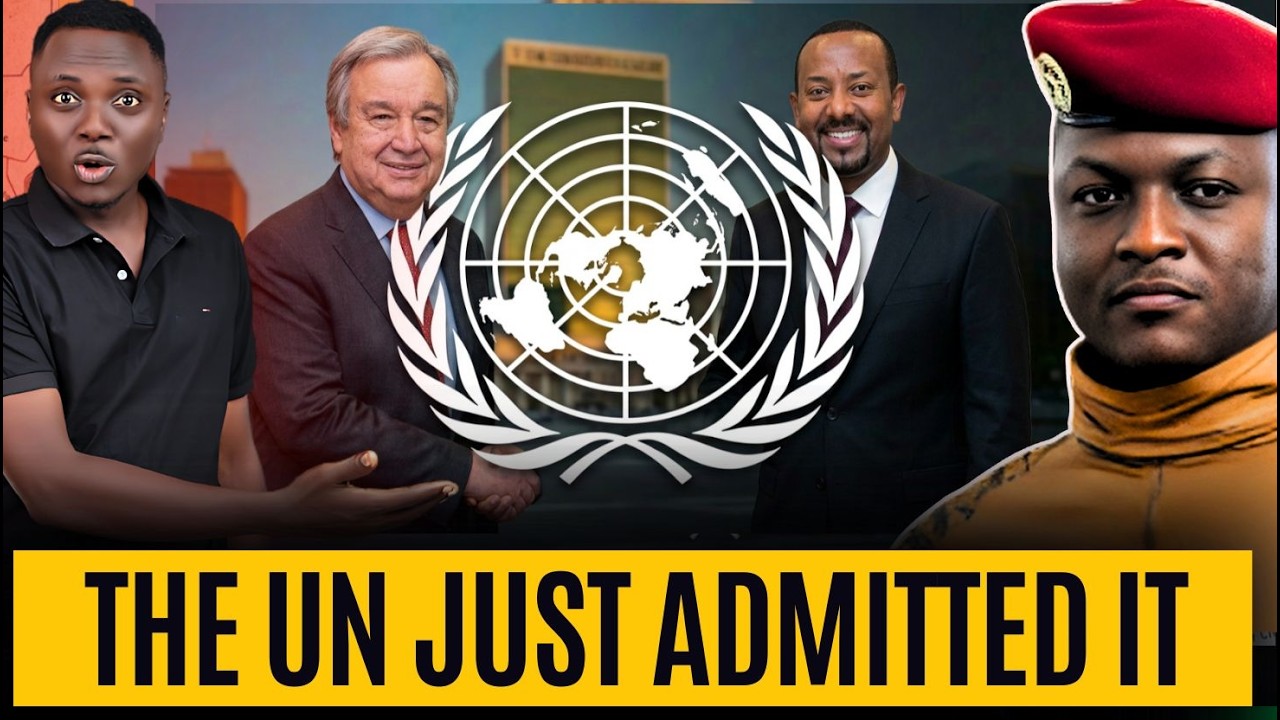

Africa's economy is growing faster than Asia in 2026 — and the African geopolitics behind this shift involve China's zero tariff trade deal, AGOA's uncertain future, and a $40 trillion Afri-Caribbean market most people have never heard of.This week on The Strategic Lens, we break down four stories that are quietly rewriting the rules of global trade and African economic power — and what it means for Africans, the diaspora, and anyone paying attention to where real growth is happening right now.TO JOIN OUR MEMBERSHIP CLICK THE LINKhttps://www.patreon.com/AfricaTodayClub763Here is what we cover:The UN, IMF, and African Development Bank all dropped reports this month — and they all agree. Africa is projected to grow at 4.4% in 2026, outpacing Asia at 4.1% and leaving the global average of 2.7% in the dust. Twenty-one African countries are growing above 5%. Four of them — Ethiopia, Rwanda, Senegal, and Niger — are hitting that 7% poverty-reduction threshold economists say actually changes lives. But here is the catch nobody is talking about: African governments are spending 27.5% of their revenue just on debt interest payments. The growth is real. The debt trap is realer.Then there is the avocado. One fruit shipment from Limpopo, South Africa to Shanghai, China — and why it represents something much bigger than fruit. South Africa grows 160,000 tons of avocados a year. For decades, 95% of exports went to Europe, the UK, and Russia. That is changing fast, and the implications for thousands of rural South African farmers are enormous.China just announced zero tariff access for 53 African nations, effective May 1, 2026. No political conditions. No renewal anxiety. Meanwhile, the US renewed AGOA — but only for three years, down from the traditional ten. We break down what this trade war between East and West actually means for African leverage, and why the real danger is not the deal itself but what Africa exports under it.And finally — the $40 trillion Afri-Caribbean market. Africa and the Caribbean share history, culture, and DNA. They barely share trade. Less than 1% of total trade flows between the two regions. But that is starting to change. We cover the Afri-Caribbean Investment Summit, the first ever direct flight from Nigeria to St. Kitts and Nevis, and why this South-South corridor might matter more than any deal with China or America in the long run.⚠️ DISCLAIMERThe Strategic Lens produces content for informational and educational purposes only. Nothing presented in this video or its accompanying materials constitutes financial, investment, legal, or political advice. All statistics, projections, and data cited are drawn from publicly available reports by institutions including the IMF, African Development Bank, UN Department of Economic and Social Affairs, and other named sources at the time of production. Figures are subject to change as new data becomes available. Viewers are encouraged to consult the original source documents — linked in the member resources section — before drawing conclusions or making decisions based on any information presented here. The views expressed are those of the host and do not represent the official position of any government, institution, or organization referenced in this content.
Support our work: https://democracynow.org/give
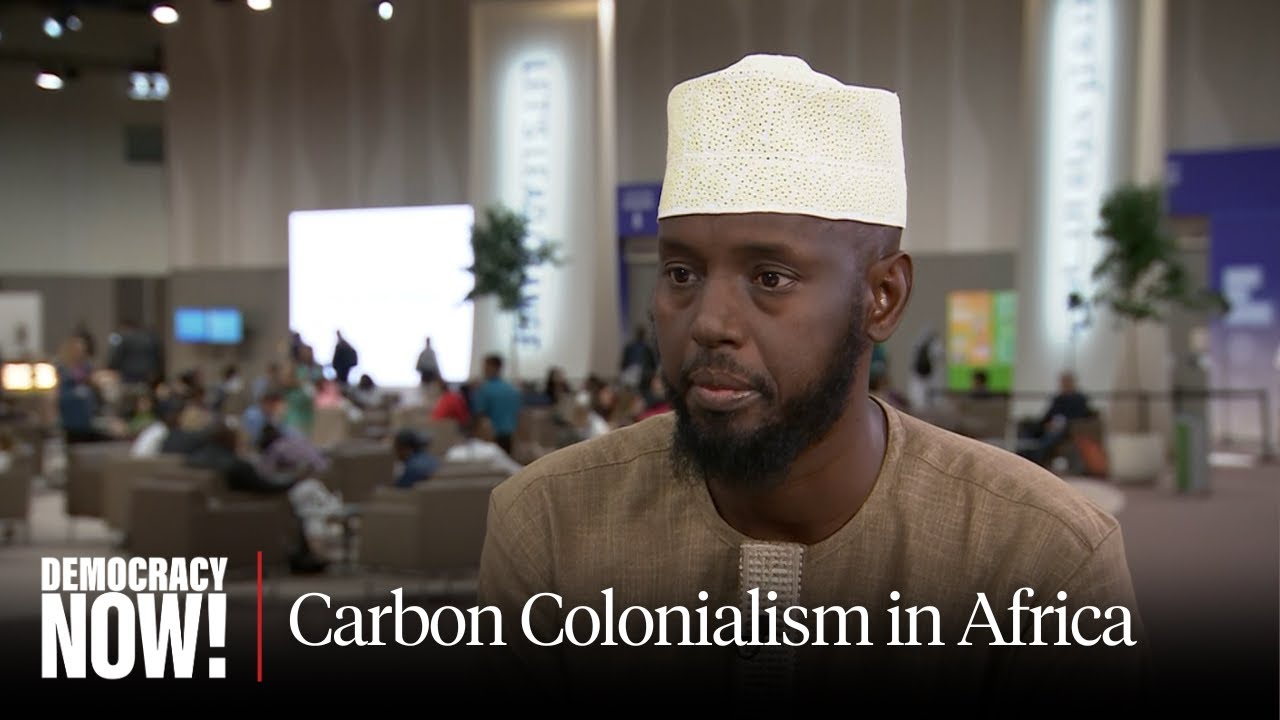
As _Democracy Now!_ broadcasts from COP28 in Dubai, we look at how the United Arab Emirates is using its vast oil money to buy up the rights to land in many African countries in order to sell carbon credits to major polluters, a plan that critics characterize as a new form of colonialism. "After failing to mitigate at the source," wealthy polluters now "want to, basically, buy, on the cheap, African land," says Power Shift Africa's Mohamed Adow about wealthy nations' failure to deliver on climate finance and turn to a "land grab" on the African continent. "What they're doing is actually commodifying nature," says Adow, who describes carbon credits as an "imaginary concept" amounting to "permits to pollute."
Democracy Now! is an independent global news hour that airs on over 1,500 TV and radio stations Monday through Friday. Watch our livestream at democracynow.org Mondays to Fridays 8-9 a.m. ET.
Subscribe to our Daily Email Digest: https://democracynow.org/subscribe

Britain didn't discover Iraq. It invented it. After World War One, the British Empire stitched together three Ottoman provinces that had never been a single country, installed a foreign king who had never set foot on Iraqi soil, staged a referendum with a 96% approval rate, and locked in control of one of the largest oil reserves ever found. This is the full story of how Iraq was manufactured — not for the people who lived there, but for the petroleum beneath their feet.
From the secret Sykes-Picot Agreement to the Cairo Conference of 1921, from Churchill's air bombing campaigns to the Turkish Petroleum Company's 75-year concession, this video traces the real forces behind Iraq's creation. It's a story of broken promises, imperial cartography, puppet monarchies, and oil — always oil.
The consequences didn't end in 1932 or 1958. The borders drawn in hotel rooms by colonial officials who never lived in the region shaped every crisis Iraq has faced for over a century — and the world is still living with the fallout.
🔔 Subscribe and turn on notifications so you never miss a video.
👍 Like this video if you want more deep dives into the hidden forces behind global power.
💬 Drop your thoughts in the comments — did you know Iraq was engineered by the British Empire?
#iraq #britishempire #oilpolitics #middleeast #geopolitics #sykespicot #winstonchurchill #kingfaisal #colonialism #iraqhistory #oilwars #britishmandate #cairoconference #arabrevolt #mesopotamia #empireandoil #hiddenhistory #globalpower #documentary #macrofinance

All People Profiles scripts are researched and written by qualified Historians. The script for this video has been checked with Plagiarism and AI Detector software and scored 1% on Grammarly. In academia, a score of below 15% is considered good or acceptable. Please email us for script references and citations.All footage, images and music used in People Profiles Documentaries are sourced from free media websites or are purchased with commercial rights from online media archives.Special thanks to the British Museum.#biography #history #documentary



👉🏿 JOIN THE MOVEMENT → Uncensored, Ad-Free & Exclusive Content
https://ineverknewtv.com/premium/
📍OUR SPONSOR: Maroon Productions
We help brands grow through strategic video, design, and content that actually attracts attention, builds trust, and converts.
https://www.maroonproduction.com/
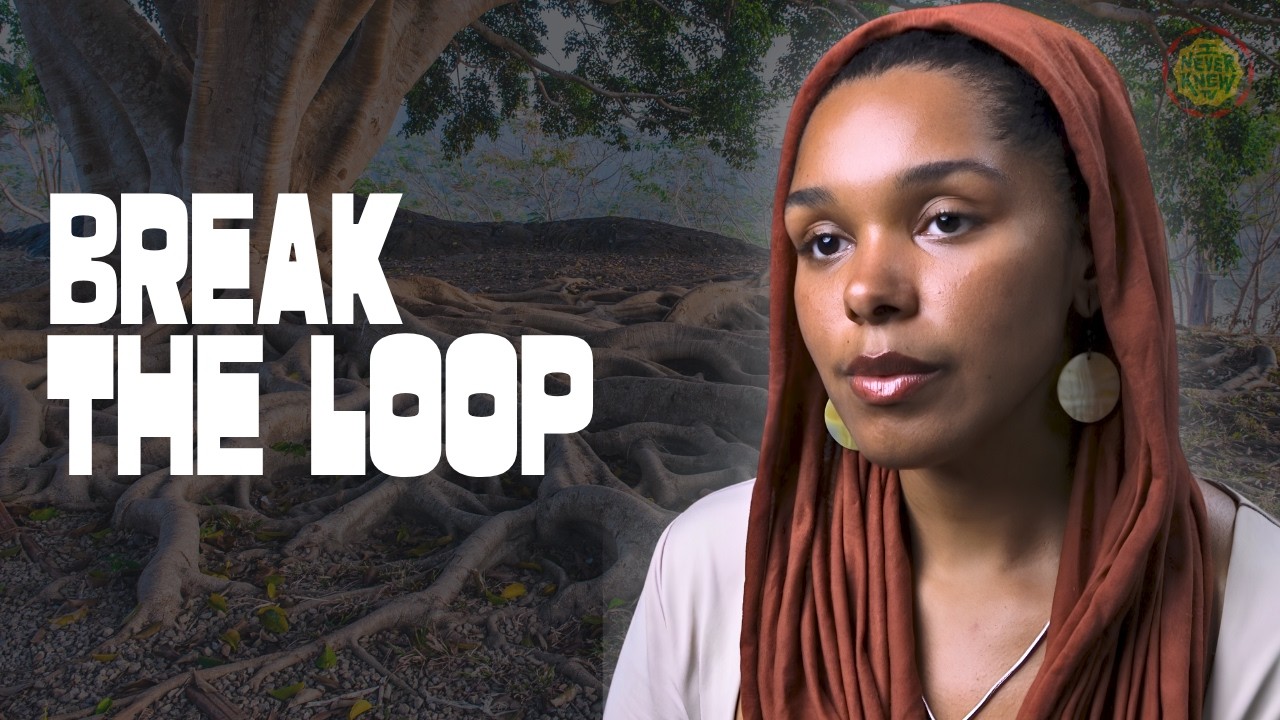
Sunumi Brown is a visionary leader in psychedelic education. Her groundbreaking work has been featured in TEDX, Oakland Hyphae, Forbes for her course with Doubleblindmag on Psychedelics and Maternity, and in The Guardian’s article “The Black Mothers Finding Freedom In Mushrooms.”
What if the greatest obstacle to healing isn't the pain itself—but the way we've been taught to think about healing?
In this thought-provoking conversation, we explore why healing was never meant to depend on a single solution. From stillness and breathwork to music, community, and other holistic practices, our guest explains why true healing happens when we move beyond a "one-size-fits-all" mindset and embrace a more interconnected approach.
Whether you're interested in mental health, spirituality, personal growth, or community wellness, this discussion challenges conventional ideas and offers a fresh perspective on what it really means to heal.
What You'll Learn:
Why searching for one "magic cure" can limit healing
The importance of community in the healing process
How repetitive thought patterns can keep us feeling stuck
Why holistic healing requires multiple tools working together
A new perspective on healing, growth, and transformation
Learn more about Sunumi Brown and her work at:
www.FlorasVillage.com
🎧 Catch 'I NEVER KNEW RADIO
for Roots, Rock, Reggae Music!
Hosted by Jr a.k.a 'The Bald Head' of 'I Never Knew TV'
📅 Sundays: 9 - 11 AM EST
📅 Wednesdays: 8 - 10 AM EST
📅 Thursdays: 10 AM - Noon EST
Listen live: https://wloy.org/listen/
#ineverknewtv


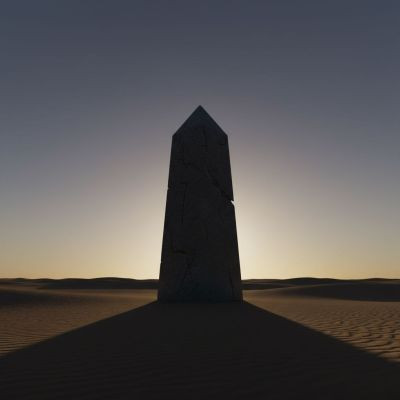

#icymi From iPhone 17 replicas to car model “upgrades,” Nigeria's infamous "I-better-pass-my-neighbour" cultural meme has graduated from simple nuisance to driver of real economic jeopardy.
Fuelled by a debilitating societal inferiority complex and high levels of extreme poverty, a new trend of disturbingly obsessive brand awareness has created a booming "insecurity economy," characterised by after-market smartphone design modification, "car model upgrade" body kit installation, Indian temple hair importation, and many other dodgy activities built exclusively around exploiting the insecurities of 230 million poor people.
Already a struggling, sub-industrialised economy with IMF-imposed economic austerity, Nigeria has now become an economic opportunity for unscrupulous suppliers in industrialised countries, as Nigerians haemorrhage their money on a desperate quest to signal imaginary status to one another.
It’s time for a cultural shift. Scientific education, economic empowerment and spiritual awakening must displace obsessive, spiritually bankrupt, low-level consumerism. If this will be Africa's century, the continent needs its most populous country to break free from this psychological trap.
#iphone #nigeria #trend #insecurity
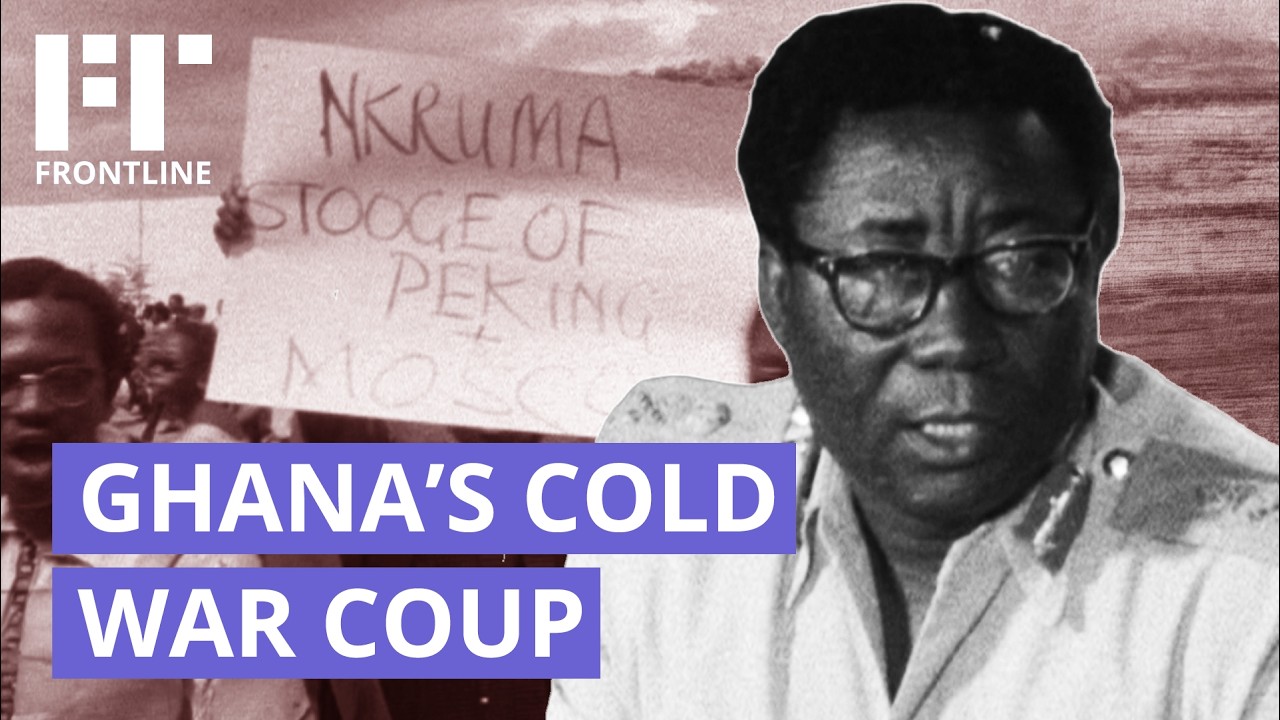
On 24 February 1966, Ghana's military and police launched a coup that removed President Kwame Nkrumah from power while he was on a diplomatic mission to Asia. The operation, known as "Operation Cold Chop," was carried out with little resistance and brought an end to Nkrumah's increasingly centralised one-party rule.The new regime, known as the National Liberation Council, suspended the constitution, dissolved parliament, and banned the ruling Convention People's Party. Nkrumah, who remained in exile, denounced the coup as an imperialist plot, while his opponents celebrated what they saw as the restoration of political freedom.ITN's Sandy Gall followed the coup on the ground. #coldwar #coup #ghana #kwamenkrumah #history #itnarchive #marxist To license the footage featured in this clip, follow the link below: https://www.gettyimages.com/search/2/film?family=editorial&phrase=X02036601*To search the ITN Archive collection on Getty Images, follow the link below:https://www.gettyimages.co.uk/footage/itn🎥 Subscribe to our YouTube channel (tap the bell icon and stay up to date with all the latest ITN Archive videos!) - https://www.youtube.com/@ITNArchive🎥 Follow us on Twitter - https://twitter.com/ITNArchive🎥 Like us on Facebook - https://www.facebook.com/ITNArchiveITNP🎥 Check out our TikTok - https://www.tiktok.com/@itnarchive1955