Top videos

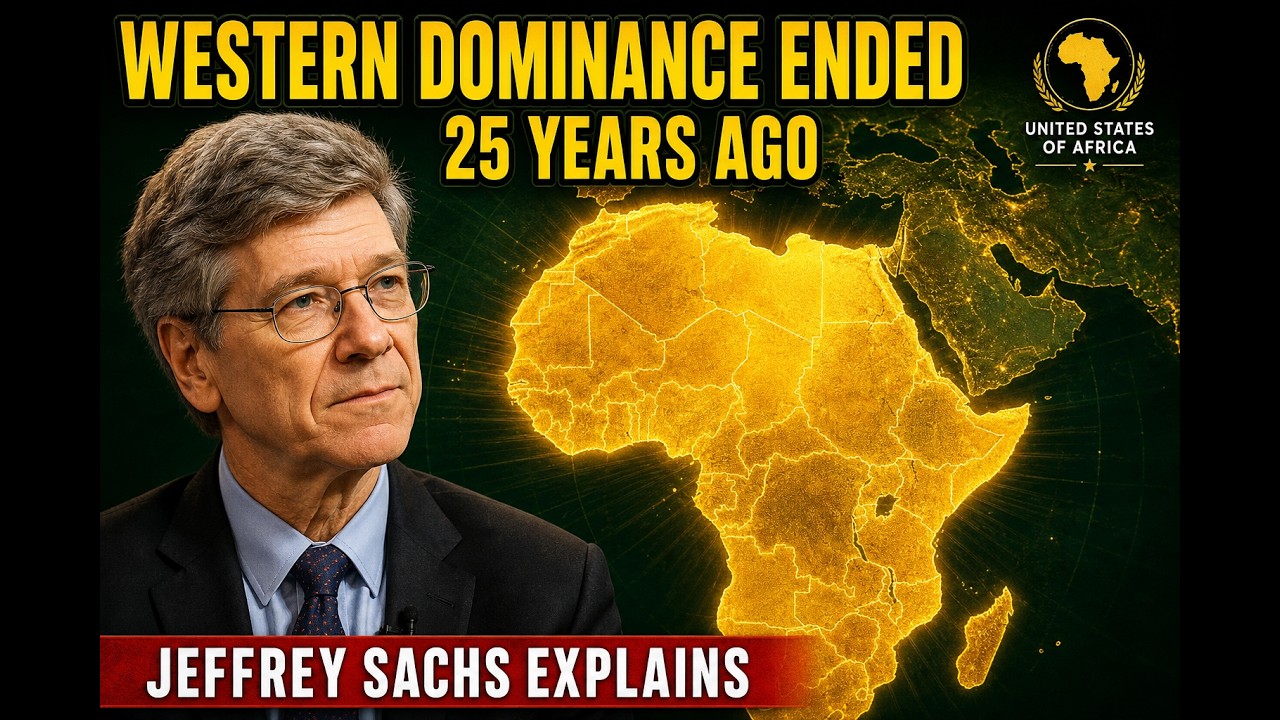
Africa’s Rise Has Begun: The Future Belongs To Africa & Asia |Western Dominance Ended 25 Years A
Africa’s Rise Has Begun: The Future Belongs To Africa & Asia |Western Dominance Ended 25 Years A Kwabena Ofori Osei 9 Views • 3 days ago

Jeffrey Sachs: Western Dominance Ended 25 Years Ago – Africa's Rise Has Begun. United States of Africa
Analyze world output trends from 1820 to 2008 and review the future economic projections shaping our society.

This breakdown tracks global economic growth history, specifically focusing on the rise of Asia's share of output compared to historical data from the United States. Viewers will understand how previous shifts in production influence the current global landscape and what key indicators signal for the coming decades.

The presentation examines six major transformations anticipated by mid-century, covering critical sectors like education, health care, sustainability, and the digital economy. By connecting these historical world output trends to upcoming developments, you gain a clearer picture of how global economic growth history is evolving. This overview is designed for students of history, economics, and anyone curious about the trajectory of the global economy statistics.

We assess how these six areas will define the next chapter of development. Understanding world output trends provides essential context for interpreting modern policy shifts and market changes. These projections help clarify the scale of the changes ahead in digital infrastructure and sustainable resource management.

Subscribe for weekly economic breakdowns and comment which of the six major transformations you find most significant for the future.

0:00 The End of Western Economic Dominance
1:53 The Legacy of European Imperialism
4:58 China's Century of Humiliation
11:04 Why Geopolitics Is Changing Today
17:07 China's Rise Is Not a Zero-Sum Game
23:50 The Future of Global Demographics
30:33 Africa's Path to Economic Leadership

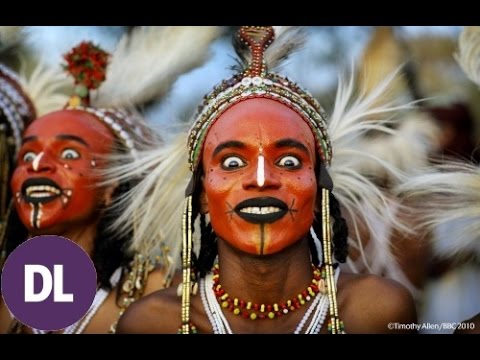
Tribal Odyssey: The Wodaabe
Tribal Odyssey: The Wodaabe Ambakisye-Okang Dukuzumurenyi 136 Views • 5 years ago

Wodaabe are nomads, migrating through much of the Sahel from northern Cameroon to Chad, Niger, and northeast Nigeria. The last nomads in the area, the Wodaabe number between 160,000 and 200,000. Other around them - the Hausa, Fulani, and Tuaeg - regard the Wodaabe as wild people. The Wodaabe refer to the Fulani with equal disdain as Wodaabe who lost their way.The seasons dictate Wodaabe migrations. From July to September, the short rainy season, sporadic storms cause floods. Most of September and October are hot and dry, November to February is cold. The hottest months, March to June, are also dry. During the short rainy season, Wodaabe lineage groups come together and hold their ceremonial dances, the Geerewol, Worso, and Yakke. The rest of the year the Wodaabe split up into small lineage groups.LivelihoodThe Wodaabe's main economic activity is cattle-herding. Cattle provide milk products that, along with cereal obtained through trading, are the basis of the diet. Beef is eaten only during ceremonies. The Wodaabe also keep goats and sheep for milk and meat and use camels and donkeys for transportation.During the dry season, milk production is lowest, and the need for cereal grains especially acute. At thee times, however, the cows are in their poorest condition and grain prices are highest. Thus, Wodaabe sell their cattle at cutrate prices. Moreover, droughts in the 1970s and early 1980s depleted the herds, so many Wodaabe have had to resort to earning wages in towns or herding cattle for their sedentary neighbors.While these activities allow Wodaabe llineage groups and individuals to survive the dry season, they don't rebuilt the herds. The depletion of the herds means the Wodaabe can't use their traditional way of aiding members of the tribe who lose their cattle - by loaning a cow for several years, with the borrower keeping the calves.Cultural SystemsThe Wodaabe divide themselves into 15 lineage groups. Membership is based on both blood-lines and traveling together in the dry season.Membership in a lineage groups determines who can marry whom. The only marriages that may occur between members of the same groups are Koobegal marriages arranged during the partners' childhood and formally recognized by the council of elders. Subsequent Teegal marriages are by choice of the partners.Lineage-group membership doesn't exclude people from Teegal marriages, but such marriages often cause friction. They usually involve "wife-stealing," often with the consent of the woman but never with that of her husband. Teegal marriage is also a source of friction between the new wife and previous ones. More wives means that fewer resources, such as milk from the husband's herd, are allocated to each. Eloping in a Teegal marriage that carries little stigma allows a Wodaabe woman considerable freedom, but she must leave her children with the ex-husband. The system guarantees the children's place in society while permitting spontaneity and flexibility to the parents.The Wodaabe believe in various bush spirits that live in trees and wells and are reputed to be saddened by how people have treated them. All spirits are intertwined in taboos pertaining largely to ecology. Some spirits are dangerous.The Wodaabe have acquired some knowledge of Islam and invoke the name of Allah in times of death or difficulty. However, what constitutes the notion of Allah for the Wodaabe is ambiguous.More central is a set of values concerning beauty, patience, and fortitude. Physical beauty - a long nose, round head, light skin, and white teeth - is one ideal quality, particularly for men but for women as well. Wodaabe sometimes wear makeup to enhance these attractions.Central cultural institutions are the dances - Geerewol, Worso, and Yakke - held during tribal gatherings in the rainy season. During tribal gatherings, flirtations occur and Teegal marriages are negotiated. In the dances, the men of a lineage engage in a beauty contest judged by three young women from an opposite lineage. These young women are picked as judges by the male tribal elders on the basis of their fortitude and patience. They appraise the men on appearance, charm, and dancing ability.SUGGESTED READINGSCarol Beckwith and Marion Offelin, Nomads of Niger, H.N. Abrams, 1983.Carol Beckwith, "Niger's Wodaabe: People of the Taboo," National Geographic, October 1983.Marguerite Dupire, "The Position of Women in a Pastoral Society" in Women of Tropical Africa, ed. by Denise Paulne, University of California Press, 1982.

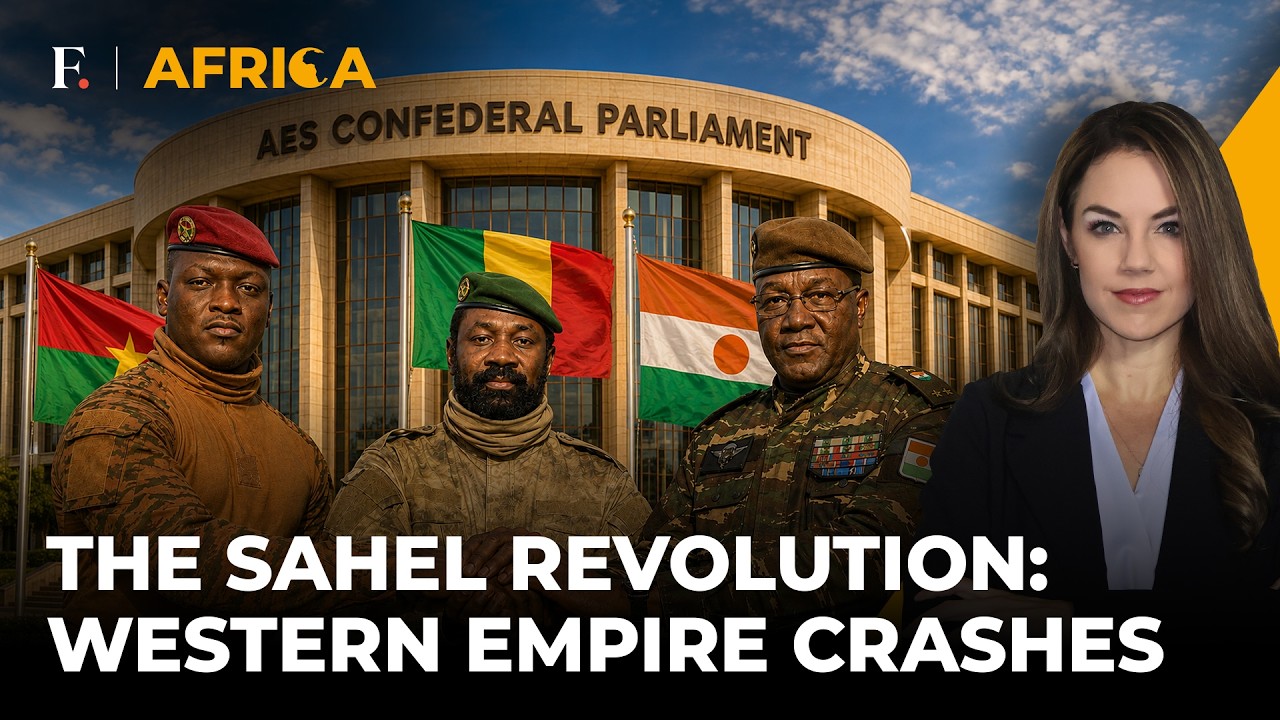
Sahel States: Mali, Niger, Burkina Faso Launch AES Joint Parliament in Historic Step | Firstpost Afr
Sahel States: Mali, Niger, Burkina Faso Launch AES Joint Parliament in Historic Step | Firstpost Afr Kwabena Ofori Osei 8 Views • 5 days ago

⁣Watch this video as Firstpost examines how ⁣The Confederal Parliament of the Alliance of Sahel States (AES) officially launched its inaugural session on August 24, 2026 in Niamey, Niger. This event marks a major transition for the bloc—comprising Burkina Faso, Mali, and Niger—evolving from a primarily military and security pact into a highly structured political and economic union.

The move follows the creation of a joint military force, a development bank and common identity documents, while the three nations have also moved away from ECOWAS. But the new Sahel project faces major tests, from dependence on coastal trade routes to the persistent threat from JNIM and Islamic State Sahel. With Russia deepening ties with the bloc and China watching its economic potential, the AES could become an increasingly important geopolitical force in Africa. Alyson Le Grange tells you more on Firstpost Africa.TIME STAMPS:00:00 — AES Launches First Joint Parliament00:25 — Sahel Bloc Builds New Political Order00:50 — 45 Representatives Begin Confederal Session01:15 — Three Nations Move Toward One Legislative System01:40 — AES Builds Joint Force And Common Institutions02:05 — From Defence Pact To Full Confederation02:30 — AES Breaks With The Old West African Order02:55 — ECOWAS Door Remains Open As AES Goes Its Own Way03:20 — Landlocked Sahel Still Depends On ECOWAS States03:45 — Ports And Trade Routes Test AES Sovereignty04:10 — JNIM And Islamic State Threaten Sahel Security04:35 — Russia Emerges As Key AES Partner05:00 — New Parliament Could Give AES One Foreign Voice05:25 — China Watches AES Economic Integration05:50 — Gold And Uranium Drive Resource Sovereignty Push06:15 — Traore Demands African Self-Reliance06:40 — Who Really Speaks For The Sahel?07:00 — AES Institutions Face Democratic Legitimacy Test07:20 — Can The Confederation Outlive Its Three Leaders?07:40 — The Future Of Sahel Sovereignty Hangs In The Balance---Mali | Niger | Burkina Faso | Joint Parliament | Sahel | ECOWAS | Firstpost Africa | Alyson Le Grange | Africa | Firstpost
#mali #niger #burkinafaso #jointparliament #sahel #ecowas #firstpostafrica #africa #alysonlegrange #firstpostfirstpost is an Indian news and media website. Get all the incisive opinions, in-depth analyses and other visual stories that matter to you and the world right here on this channel. Subscribe to Firstpost channel and press the bell icon to get notified when we go live. https://www.youtube.com/@FirstpostFollow Firstpost on Website:https://www.firstpost.comFollow Firstpost on Instagram:https://www.instagram.com/firstpost/ Follow Firstpost on Facebook:https://www.facebook.com/firstpostin/ Follow Firstpost on X:https://twitter.com/firstpostFollow Firstpost on WhatsApp:https://www.whatsapp.com/chann....el/0029Va6zOIrEQIams

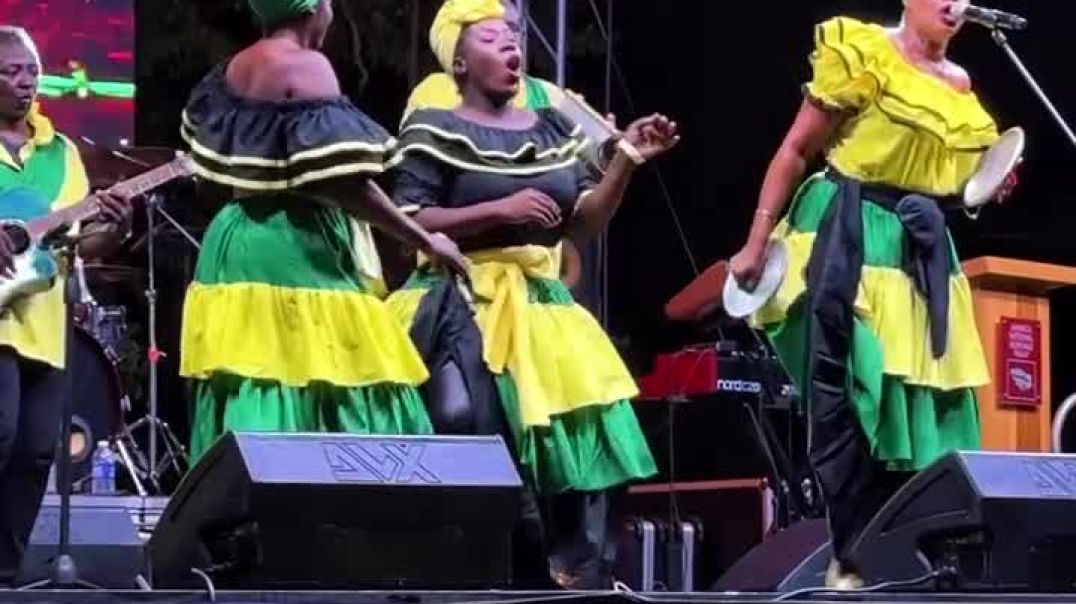
Lila Iké - What it Feels Like (Official Music Video) [Feel It Riddim]
Lila Iké - What it Feels Like (Official Music Video) [Feel It Riddim] T. Y. Adodo 15 Views • 25 days ago

Lila Iké - What it Feels Like (Official Music Video) [Feel It Riddim]
Listen/Stream here:
https://ineffable.to/lilaikewhatitfeelslike

Produced by The Indiggnation & Winta James
In.Digg.Nation Collective under exclusive license to Ineffable Records

Directed by SAMO

Lyrics:

Is this what it feels like
To be loved like this?
I don’t know but it feels right
And it’s just one kiss
Falling in love inna real life
Ignorance sure feels like bliss
Cause I’ve been missing out
But you’re with me now and I’m
Just so grateful for your love

Re-reading conversations
And smiling off my face
Laughing at the way you say things
You’ve really got a way
Reliving every moment
Looking forward to the day
I won’t have to let you go
Just hold me close

Is this what it feels like
To be loved like this?
I don’t know but it feels right
And it’s just one kiss
Falling in love inna real life
Ignorance sure feels like bliss
Cause I’ve been missing out
But you’re with me now and I’m...

Aye, you ever wake up
And cya think ‘bout no meal
Becau’ you weak inna yuh knees
And caught up inna yuh feels
You eva fed up and haffi rewrite yuh speech
Is like the feelings too real
You all a send and delete
You ever lay down but cyaa sleep a night
Like without we one another, no, da bed ya no nice
Feel a yearning
Fire burning
Tell me have you ever been in love

Is this what it feels like?
To be loved like this
I don’t know but it feels right
And it’s just one kiss
Falling in love inna real life
Ignorance can feel like bliss
But I’ve been missing out
But you’re with me now and I’m
Just so grateful for this love

Just so grateful

Showing 4 out of 41