Are you 18 years old or above?
7 Kutawonsa 2017 Dr. Ọbádélé Kambon - Nana Kwame Pɛbi Date I Enstoolment Raw Video (Multiple Angles) Banmuhene Kyidɔmhene of Akuapem Mampɔn This video shows the whole process of enstooling someone as a traditional king. Dr. Kambon was enstooled as the Banmuhene's king of the rear-guard for Mampɔn traditional area. It's both a warrior title/role as well as a spiritual one.
Describes how to login and join into a Abibitumi Group to engage with group members and use the Buddymeet videoconferencing system.
email me at: stevecokelyjr@gmail.com https://www.gofundme.com/moving-to-ghana
81 year old Peter Williams discusses his journey of being diagnosed with Prostate Cancer and achieving a Cancer Free diagnosis with the Herbal Results Cancer Eradication Protocol. Go to herbalresults.net for more interviews and products.
S U P P O R T Cash App - $NelsonAmadeus PayPal- GlobalHitsWorld@gmail.com EMAIL - KingNeferkare@gmail.com Twitter @NTDessalines Instagram @NelsonAmadeus TURN ON POST NOTIFICATIONS.
Dive into Tamu Mazama's universe with her new music video "Orisha" filmed in Ivory Coast and Guadeloupe Directed by the young Ivorian the_vinke_
Music by King Robert Ebizimor. Ijaw Highlife maestro edited by Perfect Pictures
In this bilingual lecture delivered at CEADA, AfroN8V provides his reflections for May 21st, deemed "dia de la afrocolombianidad" in Colombia. On this day, slavery was abolished in 1851. Annually now celebrated or commemorated in Colombia as "dia de la afrocolombianidad". The main source used for this lecture is Afrikan-"Colombian" scholar Manuel Zapata Olivella's book "Las Claves Mágicas de América". Homage is paid to Ayiti and President Petion. For any questions on the lecture please contact: estudiosafricaydiaspora@gmail.com Support CEADA at patreon.com/ceada Cashapp $AfroN8V
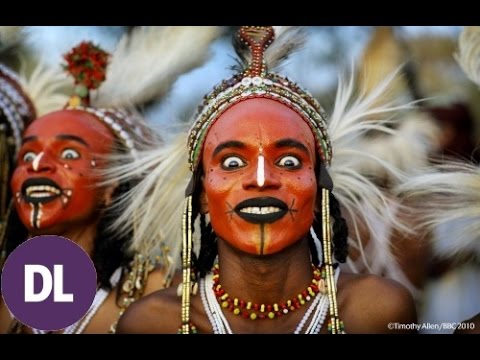
Wodaabe are nomads, migrating through much of the Sahel from northern Cameroon to Chad, Niger, and northeast Nigeria. The last nomads in the area, the Wodaabe number between 160,000 and 200,000. Other around them - the Hausa, Fulani, and Tuaeg - regard the Wodaabe as wild people. The Wodaabe refer to the Fulani with equal disdain as Wodaabe who lost their way.The seasons dictate Wodaabe migrations. From July to September, the short rainy season, sporadic storms cause floods. Most of September and October are hot and dry, November to February is cold. The hottest months, March to June, are also dry. During the short rainy season, Wodaabe lineage groups come together and hold their ceremonial dances, the Geerewol, Worso, and Yakke. The rest of the year the Wodaabe split up into small lineage groups.LivelihoodThe Wodaabe's main economic activity is cattle-herding. Cattle provide milk products that, along with cereal obtained through trading, are the basis of the diet. Beef is eaten only during ceremonies. The Wodaabe also keep goats and sheep for milk and meat and use camels and donkeys for transportation.During the dry season, milk production is lowest, and the need for cereal grains especially acute. At thee times, however, the cows are in their poorest condition and grain prices are highest. Thus, Wodaabe sell their cattle at cutrate prices. Moreover, droughts in the 1970s and early 1980s depleted the herds, so many Wodaabe have had to resort to earning wages in towns or herding cattle for their sedentary neighbors.While these activities allow Wodaabe llineage groups and individuals to survive the dry season, they don't rebuilt the herds. The depletion of the herds means the Wodaabe can't use their traditional way of aiding members of the tribe who lose their cattle - by loaning a cow for several years, with the borrower keeping the calves.Cultural SystemsThe Wodaabe divide themselves into 15 lineage groups. Membership is based on both blood-lines and traveling together in the dry season.Membership in a lineage groups determines who can marry whom. The only marriages that may occur between members of the same groups are Koobegal marriages arranged during the partners' childhood and formally recognized by the council of elders. Subsequent Teegal marriages are by choice of the partners.Lineage-group membership doesn't exclude people from Teegal marriages, but such marriages often cause friction. They usually involve "wife-stealing," often with the consent of the woman but never with that of her husband. Teegal marriage is also a source of friction between the new wife and previous ones. More wives means that fewer resources, such as milk from the husband's herd, are allocated to each. Eloping in a Teegal marriage that carries little stigma allows a Wodaabe woman considerable freedom, but she must leave her children with the ex-husband. The system guarantees the children's place in society while permitting spontaneity and flexibility to the parents.The Wodaabe believe in various bush spirits that live in trees and wells and are reputed to be saddened by how people have treated them. All spirits are intertwined in taboos pertaining largely to ecology. Some spirits are dangerous.The Wodaabe have acquired some knowledge of Islam and invoke the name of Allah in times of death or difficulty. However, what constitutes the notion of Allah for the Wodaabe is ambiguous.More central is a set of values concerning beauty, patience, and fortitude. Physical beauty - a long nose, round head, light skin, and white teeth - is one ideal quality, particularly for men but for women as well. Wodaabe sometimes wear makeup to enhance these attractions.Central cultural institutions are the dances - Geerewol, Worso, and Yakke - held during tribal gatherings in the rainy season. During tribal gatherings, flirtations occur and Teegal marriages are negotiated. In the dances, the men of a lineage engage in a beauty contest judged by three young women from an opposite lineage. These young women are picked as judges by the male tribal elders on the basis of their fortitude and patience. They appraise the men on appearance, charm, and dancing ability.SUGGESTED READINGSCarol Beckwith and Marion Offelin, Nomads of Niger, H.N. Abrams, 1983.Carol Beckwith, "Niger's Wodaabe: People of the Taboo," National Geographic, October 1983.Marguerite Dupire, "The Position of Women in a Pastoral Society" in Women of Tropical Africa, ed. by Denise Paulne, University of California Press, 1982.
I'm happy with the land grading, cutting, and clearing work my African brother had done for me. Check it out.