- General Videos
- Music
- Economics
- Health
- Travel & Events
- History
- Psychology
- Spirituality
- Movies
- News & Politics
- Kmtyw Combat Sciences
- Ɔbenfo Ọbádélé Kambon Videos
- Ɔbenfoɔ Kamau Kambon: Black Liberation Philosophy
- Science, Tech, Engineering and Math
- Permaculture
- Self-Sustainability
- Living Off Grid
- Yoruba Language Learning
- Education
- Mmɔfra Adesua
- Nana Kamau Kambon Playlist
- Livestream
- Komplementarity Kouples and Revolutionary Singles
- Abibitumi Film Series
- Decade of Our Repatriation
- Live
Top videos



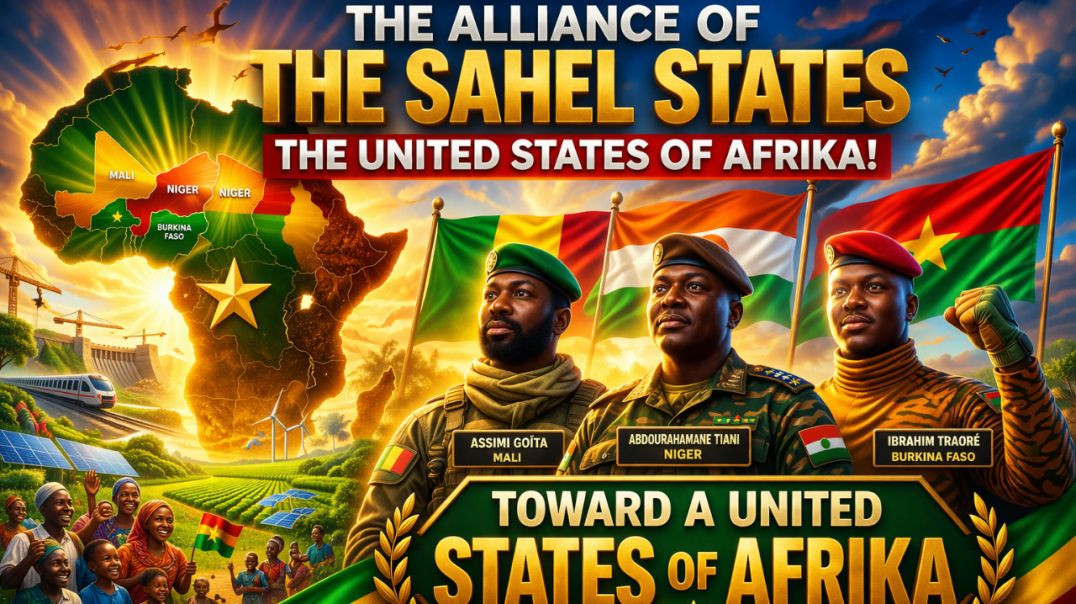

#unitedstatesofafrika #africanunity #panafrican #abibitumitv
many do not see what is happening with a united Africa. You will learn that this is just an illusion.
Let's see how.


The hidden meaning behind modern Akan funeral rites in Ghana.
Funeral rites forms an integral part with the culture of the Akan people in Ghana. Like myself, if you grew up within the Ashanti region of Ghana, chances are your parents regularly went away on funeral runs during the weekend, leaving you with numerous household chores that had to be completed by their return.
Though I spent most of my childhood wondering why I had to lose my beloved mother on weekends to funerals, I've come to realize that there are very good important reasons for these funeral rites. So in this video, I share with you some of the hidden meaning behind modern Akan funeral rites in Ghana. I say modern as most of the old traditions has been excluded or modified due to several reasons. My name is Mickey....Keep Watching!!!
Every country has a story; so does its people. I get to travel and visit different parts of the world due to the nature of my work, so I take viewers with me in the form of vlogs to explore and tell beautiful stories of the people and the places that I am working.
I am dedicated to provide deep, meaningful and entertaining contents for you, my viewers....
So enjoy!!!
Music: "Scott Buckley - Freedom" is under a Creative Commons license (CC BY 3.0) https://www.youtube.com/user/musicbys...
Music promoted by BreakingCopyright: https://bit.ly/freedom-song
Please subscribe: https://m.youtube.com/c/Mickey....Agyei?sub_confirmati
Follow me on Facebook: https://www.facebook.com/MickeyAgyeiGH
Follow me on Instagram: https://www.instagram.com/mickey_agyei/


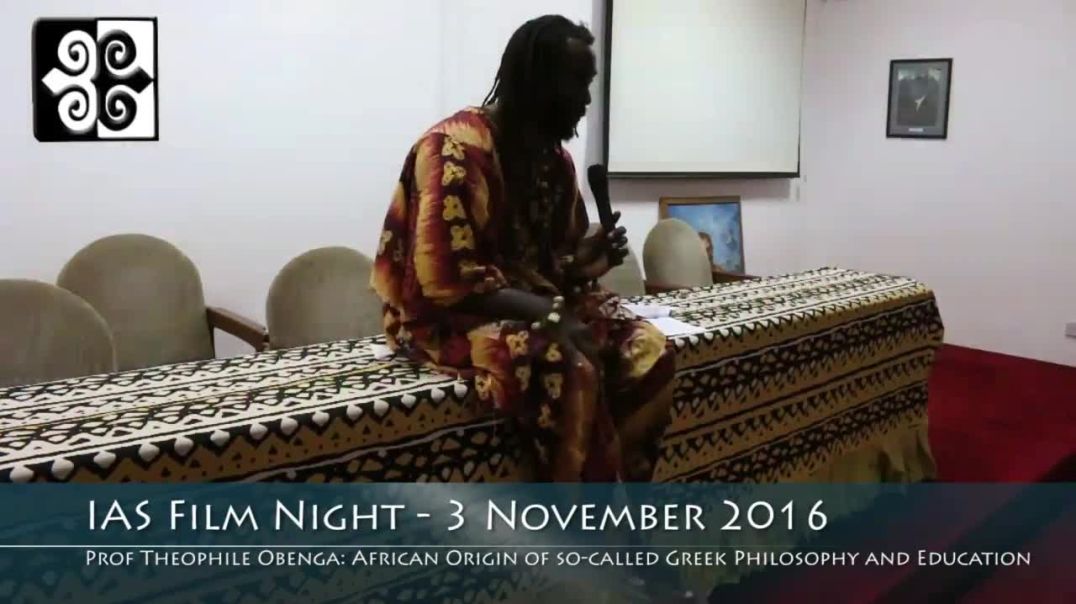
At the 3rd Abibitumi Awards, Kwame Akoto-Bamfo is honored for his outstanding contributions as a Ghanaian multidisciplinary artist, educator, and cultural activist whose work preserves memory, confronts historical injustice, and creates spaces for healing.Kwame Akoto-Bamfo is widely known for his commitment to cultural preservation and historical truth. He is the founder of the Ancestor Project and the Nkyinkyim Museum in Ghana. His sculptural work has gained international recognition for documenting African historical experience and confronting the enduring legacies of enslavement, colonialism, war, genocide, and displacement. Through art, symbolism, and public memory, he has helped create powerful spaces for reflection, restoration, and consciousness.In this moving moment from the 3rd Abibitumi Awards, Kwame Akoto-Bamfo reflects on nearly two decades of activism and explains why this recognition is especially meaningful. Though he has received awards before, he makes clear that honor carries its deepest significance when it comes from home. His remarks offer a powerful reminder that being recognized by one’s own people means more than prestige, visibility, or outward display.This clip captures both the award presentation and Kwame Akoto-Bamfo’s heartfelt words on home, belonging, activism, and the importance of community-rooted recognition.Thinking about moving back home? We have already helped hundreds secure citizenship, housing, relocation, driver’s licenses, and business setup. Endorsed by Ghana’s Office of the President, we help make your move seamless.Learn more:https://www.r2gh.comFor more powerful lectures, interviews, and Black-centered content:https://www.abibitumi.com#KwameAkotoBamfo #abibitumiawards #nkyinkyimmuseum #blackpower #culturalactivism #ghana #repatriation #r2gh #abibitumi #africanart


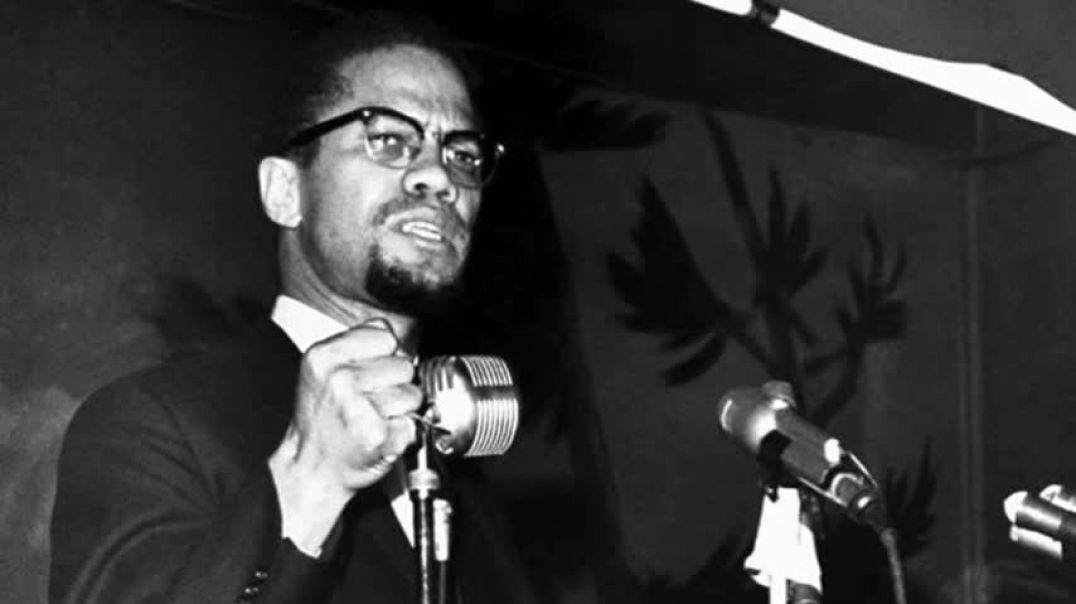
Malcolm X took an uncompromising stand against the injustices in this world. He is an inspiration, to this day, for millions.Hope these words from Malcolm will inspire you to do your bit for humanity.For more information on the life of Malcolm X. Please read 'The Autobiography of Malcolm X as told to Alex Haley' #meaningful and #fiery #speeches from #revolutionary #malcolm X.

What does natural hair really represent?
Across African societies, hair has long been a form of identity — communicating status, culture, and belonging. But through slavery, colonialism, and global beauty standards, these meanings were reshaped.
In this episode of the Sankofa Pan African Series, we explore the history and meaning of natural hair across Africa and the diaspora.
As part of our International Women’s Month series — African Women: Roots, Resistance & Rising — this episode examines how something deeply personal reflects broader histories of power.
#naturalhair #africanwomen #blackhair #natural #identity
#africanhistory #hairstyles #history
#womensfashion


In 1884, the fate of an entire continent was decided—without a single African voice in the room.
This is the untold story of the Berlin Conference, where European empires gathered to carve Africa like a cake, redrawing borders, exploiting resources, and setting in motion centuries of suffering, resistance, and survival.
This video exposes how Africa was stolen, how colonialism was formalized, and how Africa fought back.
If you care about truth, justice, and understanding the real history of Africa, this is a story you must hear.
👉 What really happened at the Berlin Conference?
👉 Why weren’t African leaders invited?
👉 What are the lasting effects today?
Watch now and uncover the dark blueprint that shaped modern Africa.
—
🔔 Subscribe for more true African history: [Your Channel Link]
📲 Share this video to help others learn the truth
👍 Like, comment, and spread the real story of Africa.
#scrambleforafrica #berlinconference #africanhistory #colonialism #blackhistory #theafricanhistory
#scrambleforafrica #berlinconference #africanhistory #colonialism #historyexplained #theafricanhistory #africawasnotinvited #untoldafricanhistory #historicaldocumentary #blackhistory

To support our work: https://www.patreon.com/EmpireWatch
In episode 68 of Global Majority for Peace, Nigerian investigative journalist David Hundeyin, founder of West Africa Weekly and The Spearhead @spearhead_af joins Ileana Chan to discuss his journey from award-winning journalism to political exile and the brutal reality of U.S. imperialism in Africa.
David traces his political awakening to his father's preventable death, which launched him into a confrontation with the Nigerian establishment and a career of full-contact investigative journalism. He details his explosive exposé of Nigeria's current president as a convicted U.S. drug dealer and CIA asset, the subsequent lawsuit against the CIA, FBI, and DEA, and how he was placed on a no-fly list after the 2020 Lekki massacre before fleeing into exile.
Together, Ileana and David explore what it truly means to be a politically conscious journalist in an age of empire, the revolutionary potential of the Alliance of Sahel States, and whether the multipolar world offers the Global South a genuine path out of dependency.
#nigeria #usimperialism #allianceofsahelstates #multipolarworld
david Hundeyin is a Nigerian investigative journalist, author, and founder of West Africa Weekly and The Spearhead. He won the People Journalism Prize for Africa in 2020, and he was named one of the 100 Most Influential Africans of 2022 by New African Magazine. His sophomore nonfiction book titled ‘Breaking Point’ won the 2025 ANA Prize for Nonfiction. Hundeyin currently lives under political asylum protection in Ghana where he is working on his third book.
For more from David:
https://www.davidhundeyin.com/
0:00 - Introduction: David Hundeyin, Investigative Journalist in Exile
2:51 - Political Awakening, Lekki Massacre & Escape from Nigeria
6:42 - Exposing Nigeria's President as a CIA Asset & the FOIA Lawsuit
13:22 - The Realization: Marxists Were Right & Journalism Cannot Be Neutral
18:37 - The "Christian Genocide" Hoax & US Military Base in Nigeria
26:28 - David's Unknowing Role in a Western-Funded Propaganda Project
32:20 - Alliance of Sahel States (AES): Data Sovereignty & State-Led Development
45:08 - Challenging Neoliberalism: Government Has Business in Business
53:59 - Contradictions: The US Health Deal & Why Anti-Imperialism Cannot Be Half-Assed
1:02:39 - China's Zero-Tariff Policy & The Multipolar World
Follow Ileana Chan: Instagram/X/TikTok: @ileanacforpeace
One-time donation to support our work: https://buymeacoffee.com/empirewatch https://gofund.me/2cd9de43
Subscribe and Follow Empire Watch:
YouTube: @EmpireWatch
Instagram: @EmpireWatchMedia
TikTok: @EmpireWatchMedia
X: @EmpireWatchX
AUDIO released EVERY WEDNESDAY on Patreon:
https://www.patreon.com/EmpireWatch
And:
Spotify: https://open.spotify.com/show/....01HI3K6vwdCRAXq5wWWb
Amazon Music: https://music.amazon.com/podca....sts/89a4df87-bcbf-46
The Global Majority for Peace podcast brings you in-depth interviews every TUESDAY to discuss our mission to challenge US imperialism and build a multipolar world.