- General Videos
- Music
- Economics
- Health
- Travel & Events
- History
- Psychology
- Spirituality
- Movies
- News & Politics
- Kmtyw Combat Sciences
- Ɔbenfo Ọbádélé Kambon Videos
- Ɔbenfoɔ Kamau Kambon: Black Liberation Philosophy
- Science, Tech, Engineering and Math
- Permaculture
- Self-Sustainability
- Living Off Grid
- Yoruba Language Learning
- Education
- Mmɔfra Adesua
- Nana Kamau Kambon Playlist
- Livestream
- Komplementarity Kouples and Revolutionary Singles
- Abibitumi Film Series
- Decade of Our Repatriation
- Live
Top videos


The video gives a brief description on the rites of passage in the olden days according to my culture. Through it, we learnt our responsibilities, rites and the consequences of non-compliance.
We were also taught how things were done and why we had or not do them. Respect was highly valued and we had to respect our elders so as to receive blessings from God.
#culture #ritesofpassage #indigenousknowledge


The second guest we have with us for 'Africanus Talks' is Sarah Agnela Nyaoke Ouma. Nyaoke is a Ja-Luo born in East Africa who is undertaking a post as a PHD researcher in the Seafarers International Research Centre, Cardiff. She gives us an insight into what it was like growing up as a Luo during the rise of the multiparty political system in Kenya, which was nurtured by her father, the late great Professor Ouma Muga. Join us each Saturday for new content from 'Africanus World'
Website - www.Africanusworld.com Pateron - https://www.patreon.com/AfricanusWorld Facebook - https://www.facebook.com/AfricanusWorld/ Twitter - https://twitter.com/AfricanusWorld Instagram - https://www.instagram.com/africanuswo... Pay Pal - https://www.paypal.com/cgi-bin/webscr...
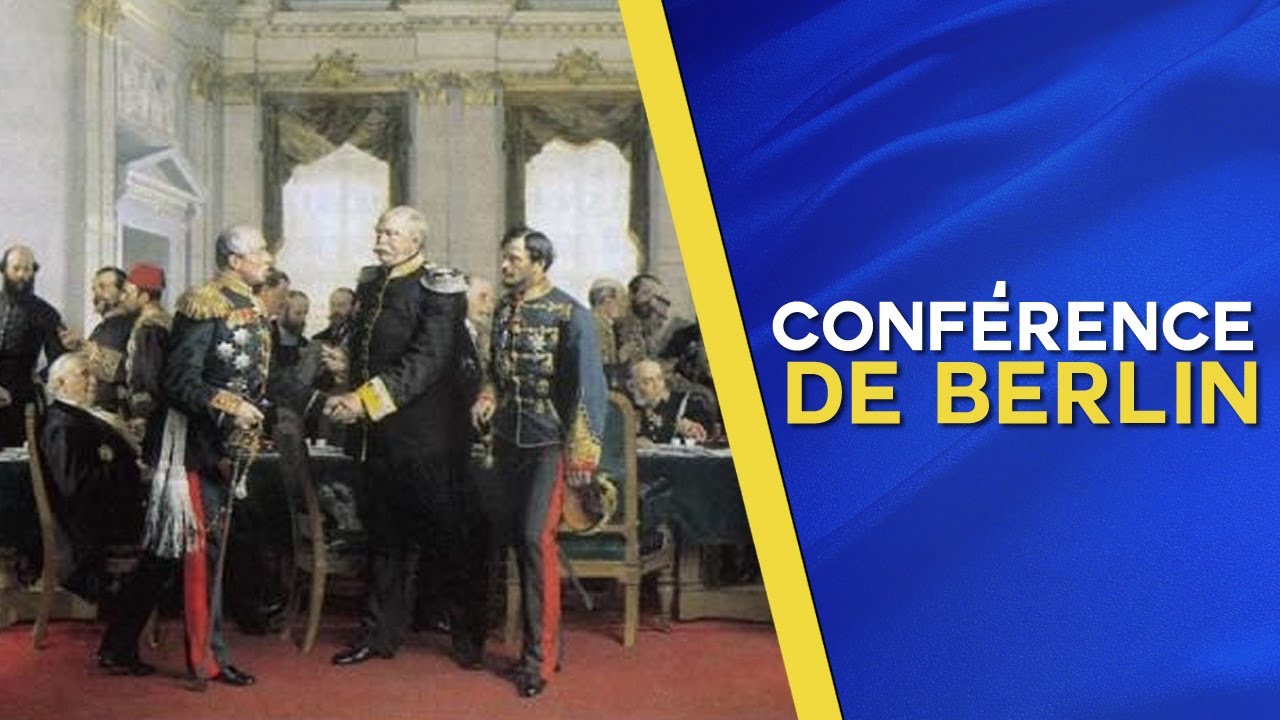
La conférence de Berlin de 1884-1885 a inauguré ce qui est devenu le « nouvel impérialisme ». Alors que les premières vagues d'expansion européenne se sont concentrées sur les Amériques et l'Asie, la troisième s'est concentrée sur l'Afrique, largement ignorée depuis la conclusion de la traite négrière atlantique. En 1876, le roi Léopold II (1835-1909) de Belgique engagea Henry Morton Stanley (1841-1904) pour explorer et coloniser le bassin du fleuve Congo en Afrique équatoriale. Les revendications belges sur le Congo ont conduit à une « ruée vers l'Afrique » entre la France, l'Allemagne, la Grande-Bretagne et le Portugal, représentés à la Conférence. Ils cherchaient à réguler la concurrence coloniale en définissant « l'occupation effective » comme critère de reconnaissance des revendications territoriales – les colonies étaient reconnues si elles étaient effectivement possédées. La conférence de Berlin a reconstitué l'Afrique, divisant le continent en quelque 50 colonies différentes. Seuls l'Éthiopie et le Libéria sont restés indépendants. Le nouvel impérialisme a donné naissance à de nouvelles conceptions sociales du colonialisme, y compris l'idée de « civiliser » les Africains, comme décrit dans le poème de Rudyard Kipling « Le fardeau de l'homme blanc » (1899), bien que critiqué par d'autres comme Joseph Conrad dans Heart of Darkness ( 1899). Les puissances européennes ont essayé d'associer la domination coloniale aux objectifs de justice et de moralité, ce qui a permis à la domination sur les terres tropicales de devenir largement acceptée.
Suivre sur Twitter: https://Twitter.com/BasedCongo
#ConférenceDeBerlin #henrymortonstanley #leopold2


Chemical Warfare (2000): Before Skripal and Assad, there was P. W. Botha. This film examines the chemical and biological programme developed under the apartheid regime in the 1980s.
Subscribe to Journeyman here: http://www.youtube.com/subscri....ption_center?add_use
In the early 80's President Bohta was becoming paranoid about the growing unrest in the townships Project Coast was hatched to develop a biological and chemical warfare Program which would not only suppress the townships but act as a weapon in war. Project Coast involved 200 staff and cost one hundred million rand.
The Roodeplaat Research Base, 15 km north of Pretoria was the centre for the research. The labs were top secret and highly protected. Inside scientists were working on the ultimate chemical, biological weapon which would be small, undetectable and cause paralysis of the muscles or death. Dr. Goosen who headed the biological Program says 'the weapon Placed in the wrong hands could have killed millions'. However luckily the project was disbanded in the early 90's when power was handed over to Mandela.
For more information, visit https://www.journeyman.tv/film/778
Like us on Facebook: https://www.facebook.com/journeymanpictures
Follow us on Twitter:
https://twitter.com/JourneymanNews
https://twitter.com/JourneymanVOD
Follow us on Instagram: https://instagram.com/journeymanpictures
SABC Special Assignment - 0778

Brazil is known worldwide for its large mixed race population due to centuries of intermigling between blacks, browns, whites, and indigenous people. While the country has long promoteditself as a place where races freely mix, Brazilians have also spoken about other sides and elements of the story. One other elemt that many have confirmed is the fear that many black Brazilian women have for having black children. Due to the violence and racism that black children suffer in Brazil, some women have expressed fear and even a desire to have whiter looking children so that their kids don't suffer the same way as they and other black kids do.
Pease Visit our Website to get more information: https://blackbraziltoday.com/
Cashapp - http://cash.me/$MrMarques72
About Black Brazil Today.
Welcome to Black Brazil Today, a channel that explores black Brazilians' vibrant and diverse experiences✊. Get into our in-depth race, culture, and media discussions, highlighting Brazilian society's significant strides and challenges.
Join us as we dissect racial dynamics, celebrate black Brazilian culture, and amplify voices often unheard. From music and movies to social movements, we bring you the real stories shaping black Brazil's narrative. Subscribe to be part of a community committed to truth, representation, and change. 🎥🌍💬
🔔 Let's Explore the untold stories – Subscribe to Black Brazil Today for the latest on black Brazilians in news, music, and entertainment. 🎵📰
🔔Explore the true narrative of Brazil – Subscribe to Black Brazil Today for insightful discussions on race, culture, and media.🔍
#racisminbrazil #blackbrazilians #interracial #racemixing #miscegenation #blackchildren #interracialrelationships #brazil #violenceinbrazil #whitening #embranquecimento #whiteness
⚠DISCLAIMER: We do not accept any liability for any loss or damage incurred from you acting or not acting as a result of watching any of our publications. You acknowledge that you use the information we provide at your own risk. Do your research.
Copyright Notice: This video and our YouTube channel contain dialogue, music, and images that are the property of Black Brazil Today. You are authorized to share the video link and channel and embed this video in your website or others as long as a link back to our YouTube channel is provided.
© Black Brazil Today


"By now it is clear, KRS-One is indeed THE GREATEST RAPPER/EMCEE OF ALL TIME! 22 dope albums over a 35-year period? No rapper/emcee has ever reached this legitimate level of excellence and skill. NO ONE! Already proclaimed “a classic”, KRS-One returns with his 23rd album project Between Da Protests which balances revolutionary themes with raw street-poetry over what KRS-One calls “boom-bap beats”. With songs like “Don’t Fall For It”, “Black Black Black”, “Free (The Book Song)” and “Boom Bye Bye”, KRS-One addresses the concerns of average people, working people, thinking people. And while the revolutionary-minded will find much in Between Da Protests to be excited about, it is songs like “Opening Remarks”, “Tight” and “Medu Neter” that remind us just how dope KRS-One actually is on the mic (in studio or live). Between Da Protests—another authentic Hip Hop album project by KRS-One. “Turn The Volume Up”.
Visit www.krs-one.com for more information
Between Da Protests (Extended Version) - https://krsone.bandcamp.com/
TRACKLIST + CREDITS
1-OPENING REMARKS
Written and Performed by KRS-One
Produced by Mlody
2-TIGHT
Written and Performed by KRS-One
Produced by Bennie “DJ B Original” Williams
3-DON’T FALL FOR IT
Written and Performed by KRS-One
Produced by SUN-One for Ankh-Cestors Productions
4-BLACK BLACK BLACK
Written and Performed by KRS-One
Produced by Mlody
5-BOOM BYE BYE
Written and Performed by KRS-One
Produced by Mlody
Additional vocals SUN-One
Additional Vocals Pascal
6-MURDER WE JUST SAW
Written and Performed by KRS-One
Produced by Produced by SUN-One for Ankh-Cestors Productions
7-TURN THE VOLUME UP
Written and Performed by KRS-One
Produced by Produced by SUN-One for Ankh-Cestors Productions
Additional vocals S.U.N. One
Additional Vocals Pascal One
8-STAY REAL
Written and Performed by KRS-One
Produced by Mlody
9-MEDU-NETER
Written and Performed by KRS-One and SUN-One
Produced by Produced by SUN-One for Ankh-Cestors Productions
Additional vocals SUN-One
Additional Vocals Pascal One
10-WE ARE THE GODS
Written and Performed by KRS-One
Produced by KPrymeTheJäger
Additional vocals SUN-One
Additional Vocals Pascal One
11-ORGANIZE
Written and Performed by KRS-One
Produced by Mlody
12-FREE (THE BOOK LIST)
Written and Performed by KRS-One
Produced by Mlody
13-WHO YOU ARE
Written and Performed by KRS-One and SUN-One
Produced by KRS-One
Musicians—Edward Nappi (Bass), Peter Hines (Drums), Peter Mengede (Guitar)
Original Engineers—Pat Dillet and Ted Wholson
![[Tvc Breakfast] Those Calling For Restructuring Naïve, Dangerous, Says Buhari | 22 June 2021](https://i.ytimg.com/vi/tW5d9aSftOA/hqdefault.jpg)

This Segment dissects the call for restructuring in nigeria
#Nigeria #Buhari
SUBSCRIBE to our YouTube channel for more great videos: http://www.youtube.com/tvcnewsnigeria
Follow us on Twitter: https://twitter.com/tvcnewsng
Like us on Facebook: https://www.facebook.com/tvcnewsng
For more great content go to https://tvcnews.tv
Download our mobile app for iPad, iPhone and Android at http://mobile.tvcnews.tv or go to the store






**Ethiopia Shocks the World! Joins Niger for Africa’s Nuclear Rise & Launches Drone Industry**
Ethiopia is making bold moves that are shaking up global geopolitics! The country has officially joined forces with Niger to push Africa toward nuclear power, signaling a major shift in the continent’s energy and defense capabilities. At the same time, Ethiopia has inaugurated its own drone industry, further cementing its position as a rising technological and military power.
What does this mean for Africa and the world? Is this the dawn of a new era where African nations take control of their own energy and defense futures? Stay tuned as we break down the significance of these developments and how they will impact global power dynamics!
🔔 **Subscribe** for more updates on Africa’s rise!
👍 **Like & Share** if you support Africa’s self-reliance!
📝 **Comment below** your thoughts on Ethiopia's latest moves!
Please SUBSCRIBE, LIKE, COMMENT and Share, Thank for Watching
#Love
#Peace
#africansolutions #nigeria #ethiopia #africaunite